Endo belly is severe, cycle-linked bloating caused by inflammation, hormonal shifts, and adhesions from endometriosis, and it’s not “just bloating,” so it needs its own kind of management. You already know your stomach isn’t lying to you, even when your jeans stop lying too.
One day you look five months pregnant. The next day, nothing. If you’ve ever had a coworker ask when you’re due, you know the particular sting that comes with an endo belly. It’s real, it’s visible, and it’s exhausting to explain to people who’ve never felt their organs get squeezed by their own body.
Quick Takeaways
- Endo belly is severe abdominal distension linked to endometriosis, driven by inflammation, hormones, gut dysfunction, and pelvic adhesions.
- It's different from regular bloating; it can appear suddenly, worsen around your period, and come with pain, nausea, or bowel changes.
- Diet changes help some people, but not everyone, and there's no single "endo belly cure."
- Tracking your flares alongside food, cycle day, and stress gives you the clearest picture of your own triggers.
- Apps built specifically for endometriosis (not generic period trackers) can help you spot patterns doctors actually take seriously.
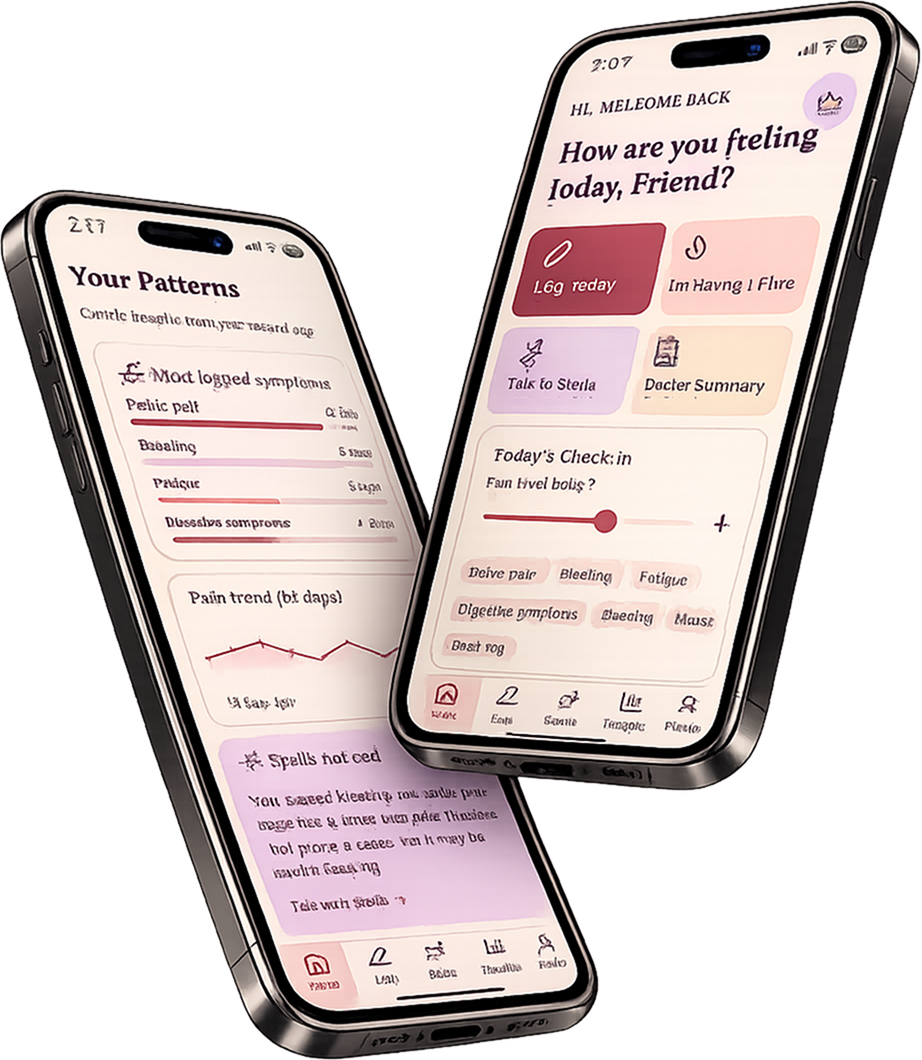
Before we get into causes, it helps to understand what’s happening inside your body, because once you can see the pattern, you can start to manage it instead of just surviving it. If you’re already logging symptoms, an app that lets you track bloating alongside pain and cycle day can turn months of confusion into something you can actually act on.
Download MyEndo App and Track Your Bloating


- 7-day free trial • Cancel anytime
So, What Exactly Is Endo Belly?
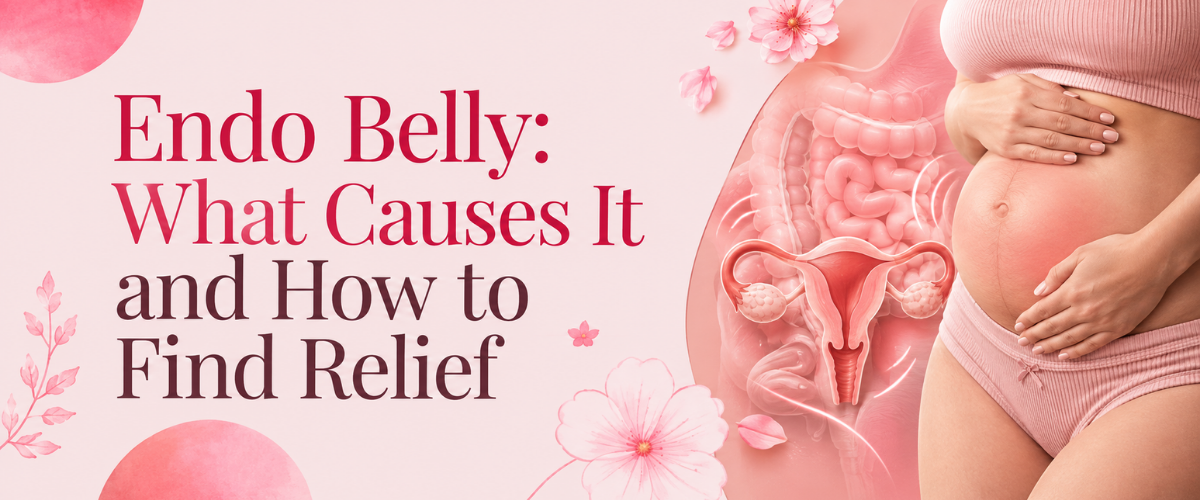
Endo belly is a rapid, uncomfortable swelling of the abdomen that shows up in people with endometriosis. It’s not fat. It’s not “eating too much.” It’s distension, your abdomen physically expanding, sometimes by inches, sometimes within hours.
Here’s the frustrating part. It doesn’t follow a predictable schedule for everyone. Some people get it right before their period. Others get blindsided mid-cycle with zero warning.
What's Actually Causing It
Endo belly isn’t one single mechanism. It’s usually a few things happening at once, layered on top of each other.
- Inflammation Is the Engine
- Endometriosis tissue behaves like a rogue factory, pumping out inflammatory chemicals throughout your pelvis and abdomen. That inflammation pulls in fluid and gas, and your gut reacts by slowing down. Slower digestion plus fluid retention equals a belly that pops out like a balloon.
- Hormones Stir the Pot
- Estrogen fuels endometriosis tissue, and estrogen fluctuates hard across your cycle. Right before your period, when estrogen and progesterone shift dramatically, a lot of people notice their worst distension. It's the same hormonal chaos that drives the pain, just showing up in a different part of your body.
- Adhesions Can Physically Trap Gas and Fluid
- Endometriosis can cause scar tissue, or adhesions, that cause organs to stick together. These changes can contribute to pain and other endometriosis symptoms. When the intestines are affected, normal movement through the digestive tract can be disrupted, which may contribute to bloating, gas, and other digestive symptoms.
- Your Gut Might Be Caught in the Crossfire
- There's a real, well-documented overlap between endometriosis and IBS. Both conditions share inflammatory pathways, and having one seems to raise your odds of dealing with the other. That's part of why so many people with endo belly also deal with constipation, diarrhea, or symptoms that swing between the two.
Track What Triggers Your Endo Belly
- 7-day free trial • Cancel anytime
Endo Belly vs. Regular Bloating: How to Tell the Difference
Regular bloating usually builds slowly, responds to simple fixes like drinking water or walking around, and fades within a few hours. Endo belly plays by different rules.
- It can appear suddenly, sometimes within 30–60 minutes.
- It often comes with pelvic pain, not just abdominal fullness.
- It may not respond to typical bloating remedies at all.
- It frequently clusters around ovulation or your period.
- It can be accompanied by nausea, fatigue, or bowel changes.
If that list feels a little too familiar, you’re not imagining things. Your body is giving you data. The problem is most of us have no easy way to collect it.
Short answer: sometimes, for some people, to some degree. There’s no magic elimination plan that erases endo belly for everyone, and anyone promising a guaranteed fix is overselling it.
That said, plenty of people notice a real difference when they experiment with an endometriosis diet approach, like reducing high-FODMAP foods, cutting back on processed sugar, or noticing how dairy or gluten affects their particular gut. The catch is that triggers are wildly individual. What flattens your friend’s stomach might do nothing for yours.
This is exactly why guessing isn’t a strategy. Tracking is.
Download MyEndo and Track Your Bloating, Triggers & Flares
- 7-day free trial • Cancel anytime
How Tracking Turns Guesswork Into Answers
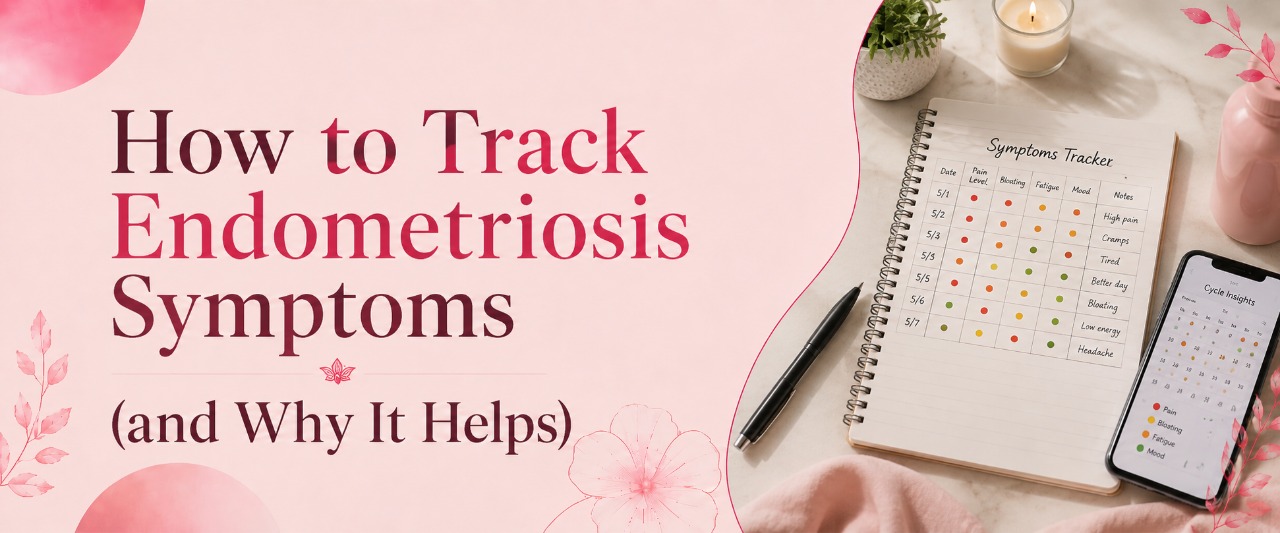
This is where structured tracking earns its keep. When you log your symptoms consistently, patterns start surfacing that you’d never catch by instinct alone. An IBS symptom tracker can be especially useful if constipation, diarrhea, gas, or food-related symptoms are part of your endo belly experience. Maybe your worst distension always lands two days before your period. Maybe it’s tied to a specific food, or a stressful week, or poor sleep the night before.
An endometriosis-specific tool makes this dramatically easier than a plain notes app or a generic period tracker. It’s built around the messiness of the endo experience, with pain, bloating, fatigue, and flares all logged in one place instead of scattered across five different apps. Logging a full day, even a rough one, can take under a minute, which matters a lot when a flare has already wrecked your energy.
What a Good Symptom Log Should Capture
- Pain level and location, not just "yes, I hurt"
- Bloating and bowel changes
- Cycle day and bleeding
- Triggers like specific foods or stress
- What actually helped, even a little
Over time, that log becomes something powerful: a pattern you can hand to a doctor instead of trying to explain from memory in a rushed appointment.
Understanding Endo Belly in the Context of Flare-Ups
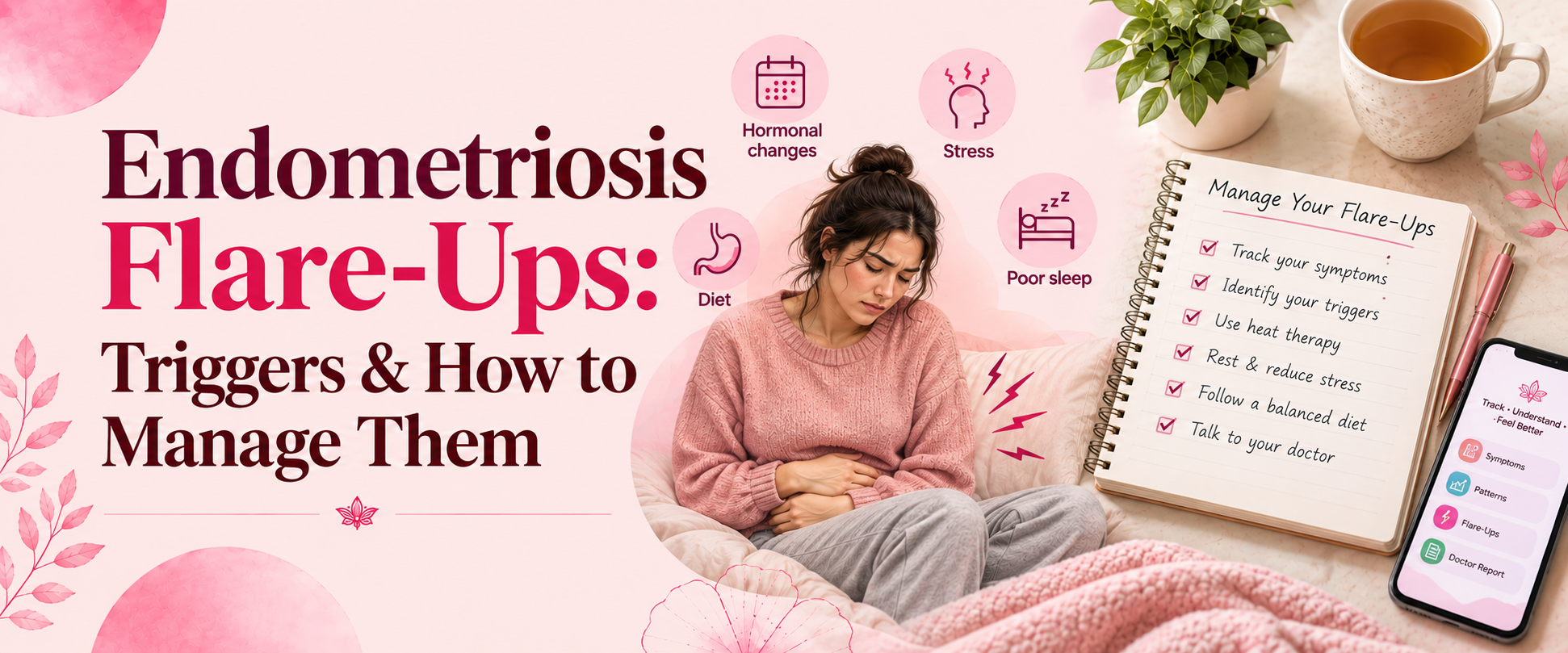
Endo belly rarely shows up alone. It tends to ride in with a broader wave of endometriosis flare-up pain, fatigue, and nausea, sometimes all at once. Recognizing that connection matters because it reframes the bloating as one symptom in a bigger pattern, not an isolated mystery.
That reframing is genuinely useful. It means the goal isn’t to chase down “the bloating cure.” It’s to understand your flare as a whole event and figure out what tends to trigger it, shorten it, or ease it.
Practical Relief Strategies Worth Trying
While there’s no universal fix, a few approaches consistently help people manage flares:
- Loosen up, literally. Wear clothes without a tight waistband on days you suspect a flare is coming.
- Move gently. A short walk can help gas move through when adhesions haven't made it impossible.
- Try heat. A heating pad on your lower abdomen can ease both the pain and the tension that worsens distension.
- Track before you eliminate. Don't cut entire food groups blindly; log what you eat and compare it to your bloat days first.
- Watch your stress levels. Cortisol and inflammation are linked, and a stressful week can make an already sensitive gut worse.
Bringing It to Your Doctor
Here’s the part nobody tells you early enough: doctors respond to data, not descriptions. Saying “I get really bloated sometimes” doesn’t move a conversation forward. Showing thirty days of logged pain, bloating, and cycle timing does.
Endo belly is exhausting, unpredictable, and honestly kind of unfair. But it’s not unmanageable, and it’s definitely not something you have to just accept as your new normal. The more clearly you can see your own patterns, the more control you get back, one logged day at a time.
Frequently Asked Questions
No, endo belly tends to appear suddenly, cluster around your cycle, and come with pelvic pain, while regular bloating builds gradually and resolves with simple fixes.
Not necessarily; bloating severity doesn’t reliably match up with the extent of endometriosis found during surgery or imaging.
No, you can start logging pain, bloating, and flares even while you’re still pursuing a diagnosis.
Conclusion
Endo belly isn’t in your head, and it isn’t something you just have to tolerate. Inflammation, hormones, adhesions, and gut overlap all play a part, and no single fix works for everyone. What does work is paying attention. Once you can see your own patterns clearly, you stop guessing, and you start showing up to appointments with answers instead of apologies.
Ready to Stop Guessing and Start Tracking?
Your bloating has a pattern. You just haven’t been able to see it yet. Download MyEndo, log your first flare in under 60 seconds, and start building the kind of data your doctor can’t brush off; it’s free for 30 days, no credit card required.