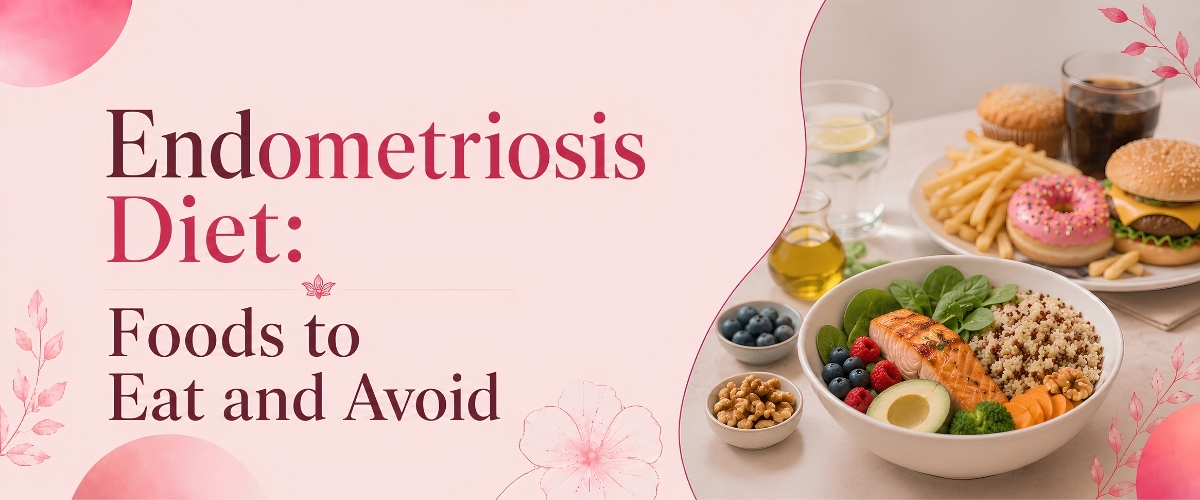
An endometriosis diet cannot cure endometriosis, but choosing nutrient-rich foods and limiting certain dietary triggers may help reduce inflammation and support overall well-being. Because every person’s symptoms are different, understanding how your body responds to specific foods is an important part of managing daily discomfort.
While research is still evolving, many people find that making mindful dietary choices alongside medical care helps them better manage symptoms. This guide explains which foods may be beneficial, which ones may worsen symptoms, and how tracking your eating habits can help you better understand your body’s unique patterns.
What Is an Endometriosis Diet?
An endometriosis diet is not a single, medically prescribed eating plan. Instead, it focuses on choosing foods that support overall health while helping some individuals identify dietary habits that may influence their symptoms.
Rather than following restrictive rules, many healthcare professionals encourage a balanced eating pattern that emphasizes whole, minimally processed foods.
An endometriosis diet may include:
- Fruits and vegetables are rich in antioxidants
- Whole grains such as oats, quinoa, and brown rice
- Lean protein sources like fish, poultry, beans, and lentils
- Healthy fats from nuts, seeds, olive oil, and avocados
- Foods containing omega-3 fatty acids, including salmon and sardines
- Plenty of water throughout the day
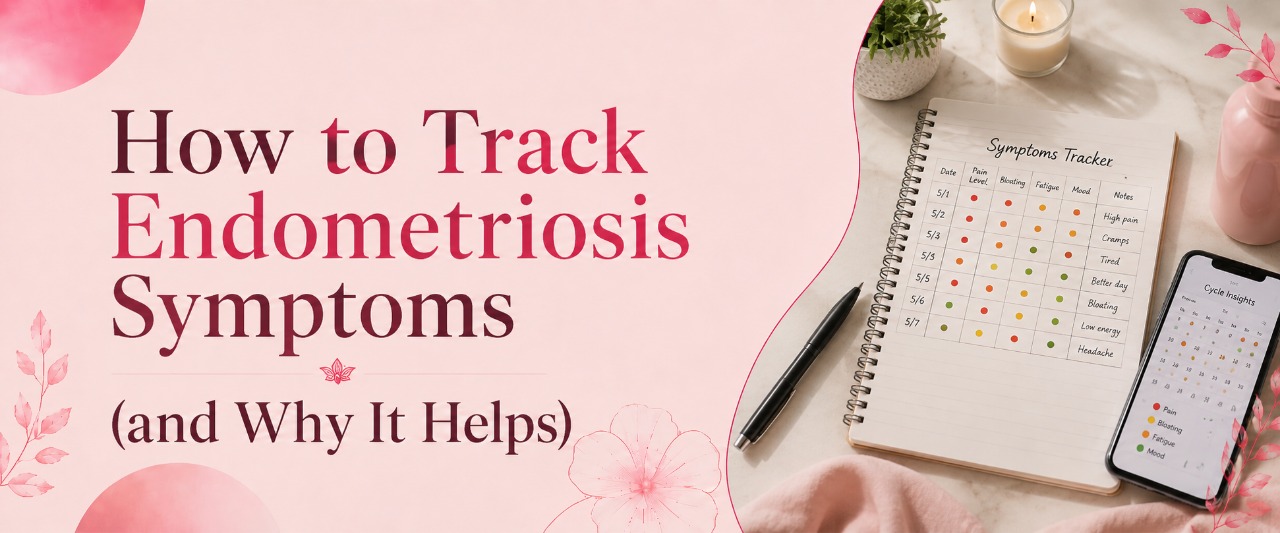
Although no single food works for everyone, paying attention to how meals affect your body can be helpful. One practical way to track your triggers is by recording meals alongside symptoms such as pelvic pain, fatigue, digestive discomfort, or changes in your menstrual cycle.
Download the App and Track Food Triggers Today


- 7-day free trial • Cancel anytime
Which Foods May Help Manage Endometriosis Symptoms?
Research suggests that certain nutrient-rich foods may help support overall health and may be associated with reduced inflammation. While diet should never replace medical care, making healthier food choices may contribute to better symptom management for some individuals.
Instead of focusing on individual “superfoods,” consider building balanced meals that provide a variety of vitamins, minerals, and fiber.
Foods that may be beneficial include:
- Colorful vegetables such as spinach, broccoli, kale, and bell peppers
- Berries, oranges, and other fruits rich in antioxidants
- Fatty fish containing omega-3 fatty acids
- Beans, lentils, and other plant-based protein sources
- Whole grains instead of refined carbohydrates
- Nuts and seeds, including walnuts and flaxseeds
- Olive oil as a source of healthy fats
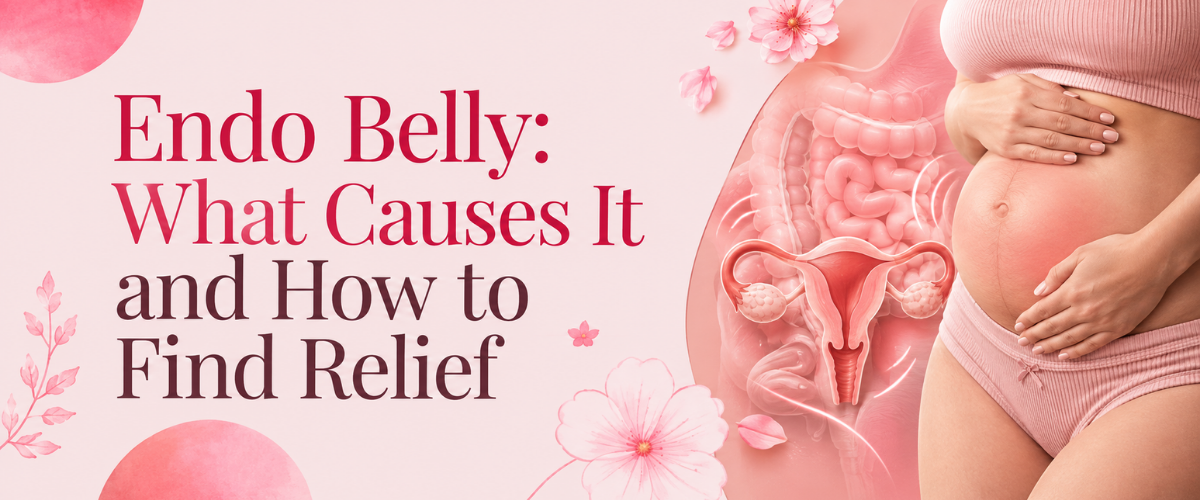
Some individuals also notice improvements in digestive symptoms by eating smaller, balanced meals throughout the day. Since digestive issues can overlap with endo belly, identifying personal food patterns may be just as important as choosing healthier ingredients.
Which Foods May Worsen Endometriosis Symptoms?
Food affects everyone differently, so there is no universal list of foods that should always be avoided. However, some people report that certain dietary choices appear to coincide with increased discomfort or digestive symptoms.
The goal is not to eliminate foods unnecessarily but to recognize consistent patterns that may contribute to symptom flare-ups.
Foods some individuals choose to limit include:
- Highly processed foods
- Sugar-sweetened beverages
- Excess alcohol
- Fried foods
- Foods high in saturated fats
- Excessive amounts of red or processed meat
- Highly refined snacks with limited nutritional value
Digestive symptoms can sometimes overlap with other gastrointestinal concerns, making it difficult to determine whether a specific food is contributing to discomfort. Using an IBS Symptom Tracker alongside your meal records can help you and your healthcare provider better understand recurring digestive patterns without relying on memory alone.
It’s also important to remember that dietary changes should be individualized. Eliminating multiple food groups without professional guidance may lead to unnecessary nutritional gaps while making it harder to identify the foods that truly affect your symptoms.
Download MyEndo and Identify Your Food Triggers
- 7-day free trial • Cancel anytime
Can Diet Cure Endometriosis?
While many people look for dietary solutions, it’s important to understand that an endometriosis diet cannot cure endometriosis. However, making thoughtful food choices may help support your overall health and improve how you manage certain symptoms alongside your healthcare provider’s treatment plan.
Every person’s experience is unique, so what works for one individual may not work for another. Instead of searching for a “perfect” diet, focus on building sustainable eating habits and observing how your body responds over time.
Keep these points in mind:
- There is no scientifically proven cure through diet alone.
- Balanced nutrition supports overall health and energy levels.
- Dietary changes may help some individuals manage digestive discomfort.
- Keeping consistent records can help identify personal food patterns.
- Always discuss significant dietary changes with your healthcare provider, especially if symptoms persist or worsen.
How Can You Identify Your Food Triggers?
Many people with endometriosis notice that symptoms vary from day to day, making it difficult to determine whether specific foods are contributing to discomfort. Tracking both meals and symptoms over time can reveal patterns that might otherwise go unnoticed.
Rather than eliminating foods based on assumptions, use consistent observations to understand how your body responds. This approach is often more practical and sustainable than following restrictive diets.
To identify possible food triggers:
- Record everything you eat and drink each day.
- Note the timing and severity of pelvic pain.
- Track digestive symptoms such as bloating or constipation.
- Monitor changes during different phases of your menstrual cycle.
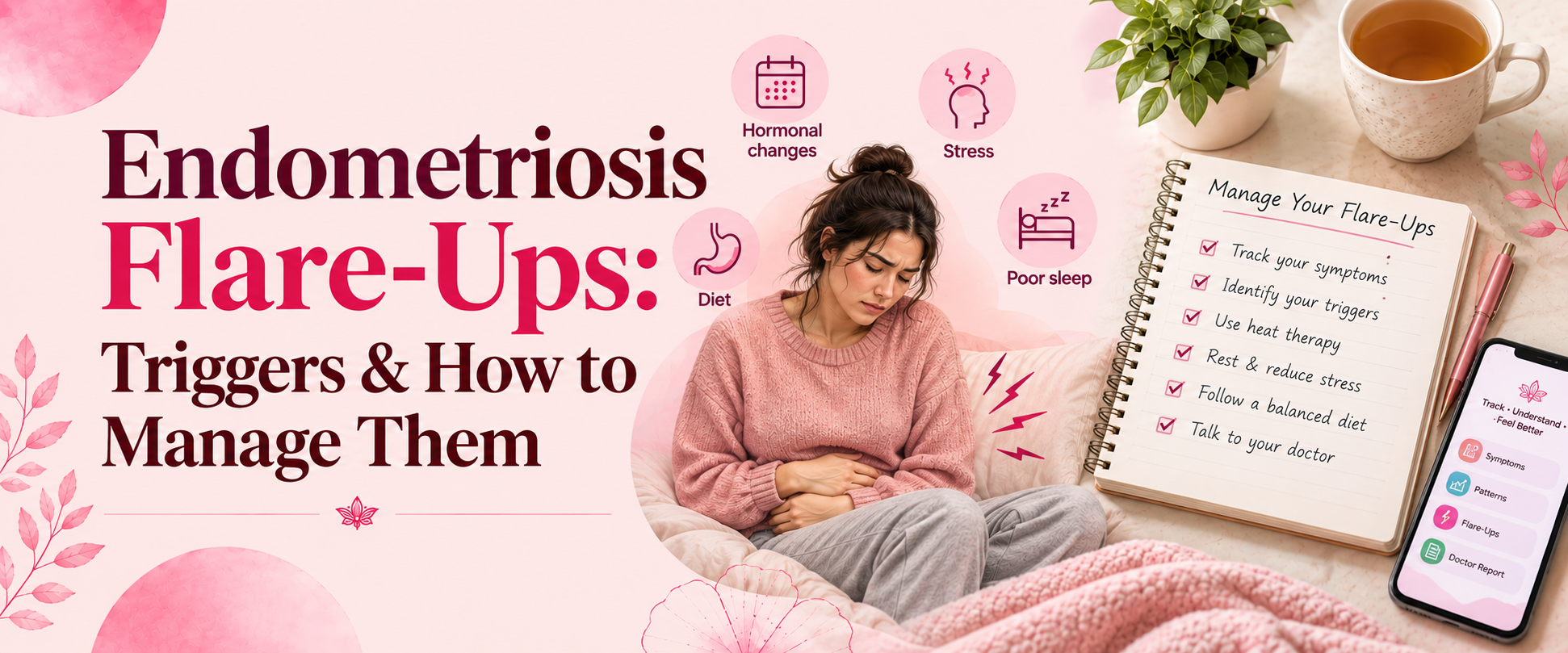
- Look for recurring connections between meals and endometriosis flare-ups.
A flare tracker can make it easier to organize these details, helping you recognize patterns that support more informed conversations with your healthcare provider. Tracking isn’t about finding a quick fix; it’s about understanding your body better over time.
Download MyEndo and Track Flare-Ups More Clearly
- 7-day free trial • Cancel anytime
What Are Some Practical Tips for Following an Endometriosis Diet?
Adopting healthier eating habits doesn’t have to be overwhelming. Small, consistent changes are often easier to maintain and may provide more meaningful long-term benefits than drastic dietary restrictions.
The goal is to create a balanced eating routine that supports your overall well-being while helping you recognize personal triggers.
Consider these practical tips:
- Build meals around fruits, vegetables, whole grains, and lean proteins.
- Stay well hydrated throughout the day.
- Limit highly processed foods when possible.
- Introduce one dietary change at a time to better identify its effects.
- Prepare simple, balanced meals that are easy to maintain.
- Keep a symptom journal alongside your meal records.
- Be patient, as identifying patterns can take several weeks.
Some people also explore natural pain relief for endometriosis alongside healthy lifestyle habits. While these approaches may provide additional support for some individuals, they should complement, not replace, the guidance of a qualified healthcare provider.
Frequently Asked Questions
No, diet cannot cure endometriosis, but healthy eating habits may help some people better manage their symptoms alongside medical care.
Some individuals choose to limit highly processed foods, sugary drinks, fried foods, and excessive red meat if they notice these foods worsen their symptoms.
A balanced diet rich in fruits, vegetables, whole grains, lean proteins, and healthy fats may support overall health and well-being.
Tracking your meals alongside symptoms can help identify potential food triggers and provide useful information for discussions with your healthcare provider.
Conclusion
An endometriosis diet is not about following strict food rules but about understanding how different foods may affect your body. Choosing balanced, nutrient-rich meals while consistently tracking your symptoms can help you identify personal triggers, support healthier daily habits, and have more informed conversations with your healthcare provider about managing endometriosis.
Understand Your Symptoms with MyEndo.io
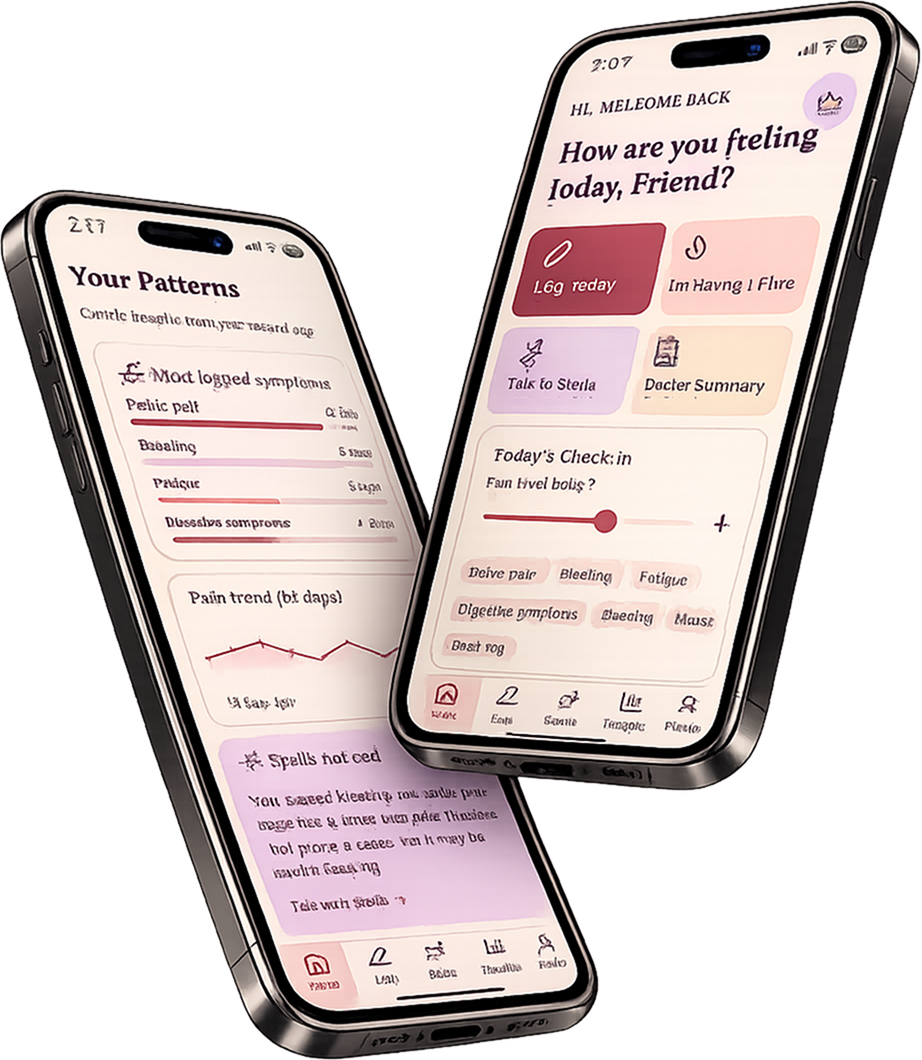
Every person’s experience with endometriosis is different, and recognizing your unique symptom patterns is an important step toward better self-management. With MyEndo, you can track meals, monitor symptoms, log flare-ups, and organize your health information in one place. Start tracking today to better understand your body and feel more prepared for every healthcare appointment.