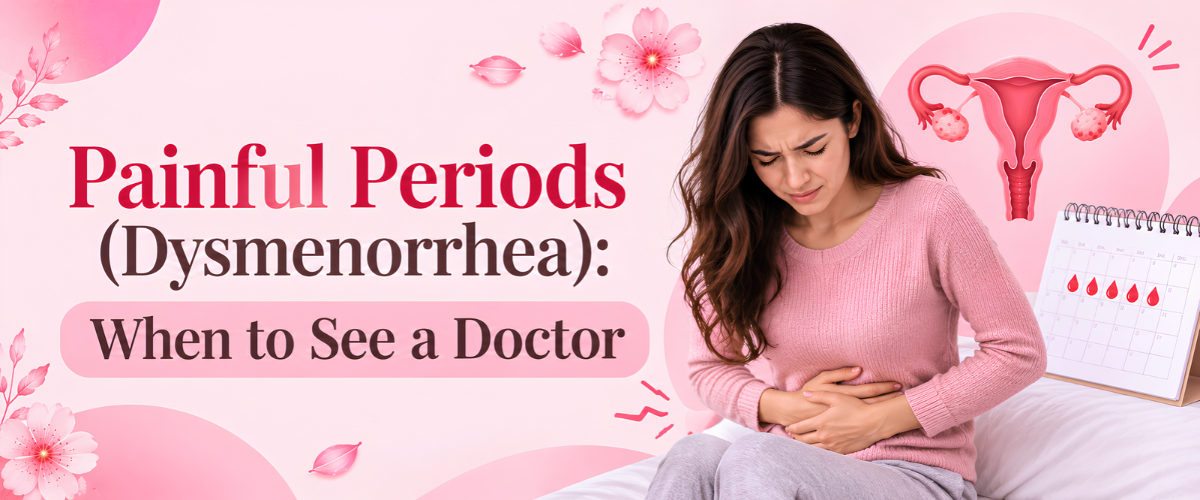
Some period pain is common, but that doesn’t mean you should have to spend every month planning your life around it. If your painful periods keep you from working, sleeping, exercising, or doing things you normally enjoy, it’s worth looking more closely at what’s happening.
Painful periods, or dysmenorrhea, can have different causes. In some cases, they occur without another underlying condition. In others, severe or worsening pain may be associated with conditions such as endometriosis, adenomyosis, or fibroids. This guide will help you understand what’s typical, recognize symptoms worth discussing with a doctor, and prepare for that conversation, and how a period or endometriosis symptom tracker can be helpful.
Are Painful Periods Normal?
Some menstrual cramping is normal. Your uterus contracts during menstruation to help shed its lining, and chemicals called prostaglandins help trigger those contractions. Higher prostaglandin activity can contribute to stronger cramps.
But common doesn’t mean you have to ignore it.
If your pain is mild and doesn’t interfere with your usual activities, it may simply be part of your menstrual cycle. But severe, worsening, or disruptive pain deserves attention. ACOG and the NHS recommend speaking with a healthcare professional when period pain affects everyday activities or becomes difficult to manage.
A quick way to think about it
Imagine two people both rate their period pain as a 6 out of 10.
One can rest for an hour, use heat, and continue with their day. The other misses work, can’t sleep, and spends the first two days of every cycle in bed.
The number alone doesn’t tell the whole story. How your pain affects your life is important information.
When should painful periods concern you?
Talk with a healthcare professional if:
- Your pain regularly stops you from doing normal activities.
- Your pain is getting worse over time.
- Usual pain relief isn't helping.
- You have pelvic pain between periods.
- You experience pain during sex.
- It hurts to urinate or have a bowel movement.
- Your periods have become heavier or irregular.
- You have bleeding between periods.
Download MyEndo App & Start Tracking


- 7-day free trial • Cancel anytime
What Do Painful Periods Feel Like?
Painful periods can feel different from one person to another.
Common symptoms include:
- Cramping or aching in the lower abdomen
- Sharp or throbbing pelvic pain
- Lower back pain
- Pain that spreads to the thighs
- Nausea or vomiting
- Headaches
- Diarrhea
- Dizziness or fatigue
Pain often starts shortly before or around the beginning of menstruation and may improve within a few days.
What matters is whether your symptoms follow a familiar pattern or are changing.
For example, period pain that has suddenly become much worse than it used to be tells a different story from mild cramps you’ve experienced consistently for years.
Why Are My Periods So Painful?
There are two broad types of dysmenorrhea: primary and secondary.
Primary Dysmenorrhea
Primary dysmenorrhea refers to menstrual pain that isn’t caused by another identifiable pelvic condition. It often begins around the time periods first start and occurs around menstruation.
Secondary Dysmenorrhea
Secondary dysmenorrhea occurs when another condition contributes to menstrual pain.
Possible causes include:
- Endometriosis
- Adenomyosis
- Uterine fibroids
- Pelvic inflammatory disease
- Other pelvic conditions
Secondary dysmenorrhea may develop later, become progressively worse, or occur alongside other symptoms.
Having severe period pain does not automatically mean you have an underlying condition. Several conditions can cause similar symptoms, which is why the overall pattern matters.
Download MyEndo App & Start Tracking
- 7-day free trial • Cancel anytime
Painful periods can have several causes. Looking at the symptoms that occur alongside your pain can give you useful information to discuss with your doctor.
| Possible cause | Symptoms that may occur |
|---|---|
| Primary dysmenorrhea | Menstrual cramps without another underlying pelvic condition |
| Endometriosis | Painful periods, pelvic pain, pain during sex, bowel or bladder symptoms |
| Adenomyosis | Painful periods, pelvic pain, heavy menstrual bleeding |
| Fibroids | Heavy bleeding, pelvic pressure or pain, painful periods |
| Pelvic inflammatory disease | Pelvic pain and other symptoms associated with infection |
This table is a starting point, not a diagnostic tool. Symptoms can overlap, and only a healthcare professional can determine what’s causing your pain.
Could Painful Periods Be a Sign of Endometriosis?
Yes, painful periods can be a symptom of endometriosis. But painful periods alone do not mean you have endometriosis.
Endometriosis occurs when tissue similar to the lining of the uterus grows outside the uterus. It can cause pelvic pain and painful periods, among other symptoms.
Rather than focusing on one symptom, look at the pattern.
You may want to discuss endometriosis with a healthcare professional if your painful periods occur alongside:
- Pelvic pain outside your period.
- Pain during or after sex.
- Pain with bowel movements.
- Pain with urination.
- Heavy menstrual bleeding.
- Persistent or recurring pelvic symptoms.
- Pain that is becoming worse.
- Symptoms that interfere with work, school, exercise, sleep, or relationships.
If you’re researching endometriosis symptoms, remember that people can experience very different combinations of symptoms.
And if you’re wondering what endometriosis pain feels like, there’s no single description that applies to everyone. The timing, location, severity, and accompanying symptoms can all vary.
Why the pattern matters
For example, someone who experiences cramps only during the first day or two of menstruation may have a different clinical picture from someone who has worsening period pain plus pelvic pain between periods, pain during sex, and pain with bowel movements.
That doesn’t diagnose endometriosis.
It simply gives you more useful information to discuss with a healthcare professional.
When Should You See a Doctor for Painful Periods?
You don’t have to wait until your pain becomes unbearable.
Make an appointment if painful periods repeatedly interfere with your daily life, become more severe, or come with symptoms such as pain during sex, pain with bowel movements or urination, heavier or irregular periods, or bleeding between periods.
You should also seek prompt medical advice if you have severe or suddenly worsening pelvic or period pain, particularly when usual pain relief isn’t helping. Symptoms such as fever, fainting, or significant bleeding can require urgent assessment.
Download MyEndo App & Start Tracking
- 7-day free trial • Cancel anytime
What about heavy menstrual bleeding?
Heavy menstrual bleeding is another symptom worth discussing with a healthcare professional, especially when it occurs with severe pain.
For example, ACOG advises seeking medical attention when bleeding is heavy enough to soak through a pad or tampon every hour for several hours, particularly if you also feel dizzy, lightheaded, or short of breath.
Keeping track of how often you need to change period products can make heavy bleeding easier to describe during an appointment.
What Happens When You See a Doctor About Period Pain?
You may worry that you’ll sit in an appointment and struggle to explain months of symptoms from memory.
That’s understandable.
Your doctor may ask:
- When does your pain start?
- Where do you feel it?
- How severe is it?
- How long does it last?
- Does it happen every cycle?
- Does it occur before, during, or after your period?
- Does it affect sleep, work, school, exercise, or relationships?
- Do you have pain during sex?
- Does it hurt to have a bowel movement or urinate?
- How heavy is your bleeding?
- What have you tried for relief?
- Has anything changed recently?
Depending on your symptoms and medical history, your healthcare professional may recommend an examination, ultrasound, or other evaluation.
A better way to describe your symptoms
Compare these two statements:
“My periods are really painful.”
versus:
“For the last four cycles, my pain has started one day before my period, peaks on the first day, lasts about three days, and has made me miss work twice. I’ve also noticed lower-back pain and pain with bowel movements.”
The second description gives your doctor much more information to work with.
That’s where symptom tracking can help.
Why Track Your Painful Periods?
It’s surprisingly difficult to remember exactly what happened several weeks ago.
Was the pain worse before your period or during it? Did it continue afterward? Did you have back pain? How heavy was your bleeding? Did medication help? Did you miss work?
A period pain tracker can help you record those details as they happen.
If you’re experiencing symptoms that may be associated with endometriosis, an endometriosis symptom tracker can help you look at symptoms across your cycle rather than treating each painful day as an isolated event.
And if pelvic symptoms are part of your experience, a pelvic pain tracker can help you record when the pain occurs, where you feel it, and how it changes.
The NHS recommends keeping a symptom diary throughout your menstrual cycle before discussing period problems with a doctor because it can help provide a clearer picture of your symptoms.
Before tracking vs. after tracking
Without a record:
“My period pain has been really bad lately.”
With a record:
“My pain started two days before bleeding in three consecutive cycles, reached 8/10 on day one, lasted three days, and caused me to miss work twice. I also noticed pain during bowel movements.”
Tracking doesn’t diagnose the cause of your symptoms.
It simply gives you a clearer record to bring into the conversation.
Don't Let “It's Just Your Period” End the Conversation
Maybe you take pain medication before work because you already know what’s coming.
Maybe you arrange your schedule around the first two days of your period. Maybe you’ve stopped mentioning the pain because you’ve heard that periods are “supposed” to hurt.
Your experience is worth paying attention to.
You don’t need to diagnose yourself with endometriosis, adenomyosis, fibroids, or another condition before asking for help. Start with what you know: what hurts, when it hurts, how severe it is, what other symptoms occur, and how the pain affects your life.
Turn Your Symptoms Into a Clearer Picture
If you keep finding yourself saying, “I know I felt terrible, but I can’t remember exactly when or how bad it was,” you’re relying on memory to explain a recurring health problem.
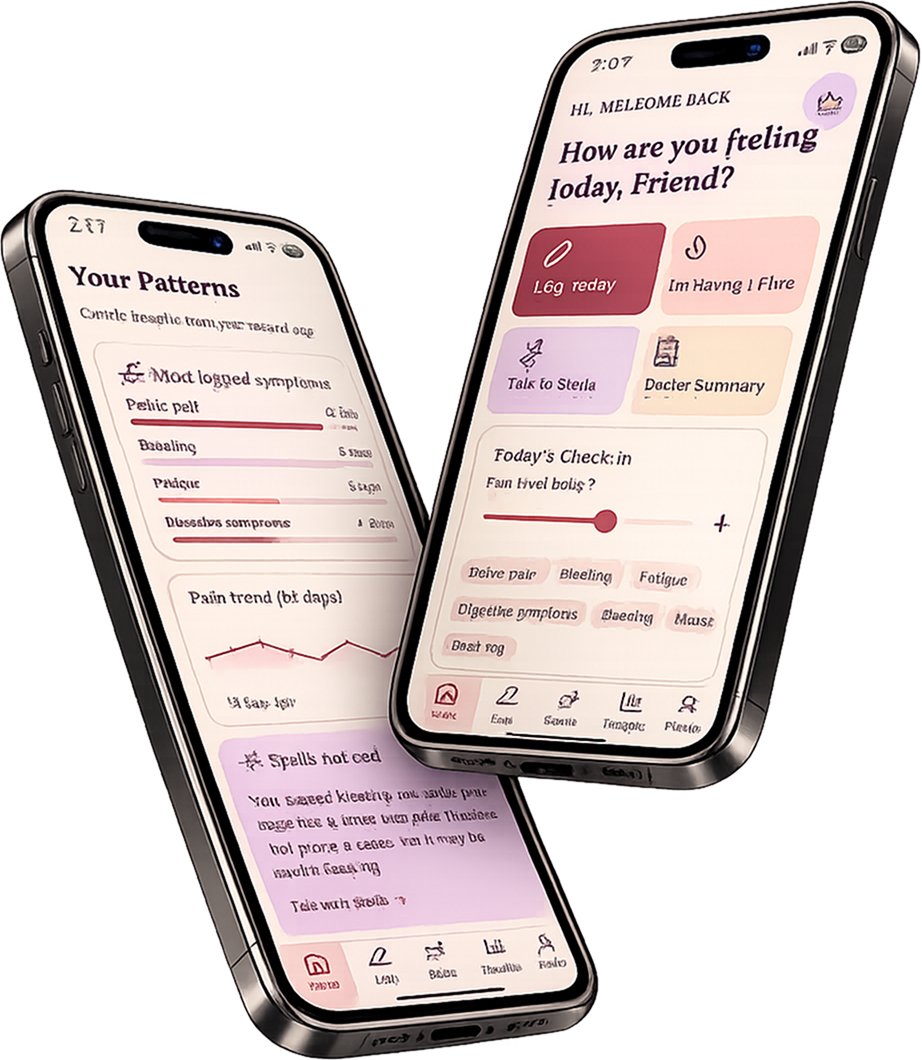
MyEndo can help you record symptoms throughout your cycle and organize the information you may want to discuss with your doctor. You can track symptoms such as pain and bleeding, look for patterns, and prepare information for your appointment.
Start tracking your symptoms with MyEndo →
MyEndo is an educational and symptom-tracking tool. It does not diagnose medical conditions or replace medical advice.
FAQs About Painful Periods
Some menstrual cramping is common. However, severe, worsening, or disruptive pain isn’t something you should automatically accept as normal. If pain affects your daily activities, talk with a healthcare professional.
There isn’t one pain score that applies to everyone. Pain that regularly prevents you from working, studying, sleeping, exercising, or doing normal activities is a good reason to speak with a healthcare professional.
A change in your usual pattern can have several causes. Increasing or newly severe period pain is worth discussing with a healthcare professional, particularly when other symptoms are present.
A Final Word on Painful Periods
You don’t have to decide on your own whether your period pain is “bad enough” to deserve attention.
Look at the pattern. Notice whether your pain is changing. Pay attention to symptoms that happen alongside your periods. And if your pain is severe or interfering with your life, bring that information to a healthcare professional.
The more clearly you can describe what you’re experiencing, the more useful your conversation can be.
If you’re tired of trying to remember what happened each cycle, start tracking your symptoms with MyEndo and prepare a clearer picture for your next appointment.