Did You Know?
Many people with endometriosis discover that their flare-ups follow recurring patterns. Tracking symptoms, stress, diet, sleep, and activity can help identify triggers that aren’t obvious day to day.
If you’ve ever gone from functioning fine to doubled over in pain within an hour, with no clear warning, you already know how disorienting endometriosis flare-ups can be. The frustrating part is that flares often feel random in the moment, even though most people eventually discover a pattern once they start paying closer attention. This guide explains the most common flare triggers, how to recognize a flare early, and how a dedicated flare tracker can turn “this came out of nowhere” into something you can actually predict and prepare for.
What Exactly Counts as an Endometriosis Flare-Up?
Not every bad day is technically a flare, and understanding the difference helps you respond appropriately instead of second-guessing whether something is serious. A flare is generally a noticeable spike above your usual baseline, not just an ordinary fluctuation.
- A sharp increase in pain intensity compared to your typical day-to-day level.
- New or worsening symptoms like bloating, nausea, fatigue, or bowel changes appearing alongside the pain.
- Pain that doesn't respond to your usual management methods.
- Symptoms that may last hours to several days, then gradually ease back to baseline.
Recognizing a true flare, rather than dismissing it as “just a bad day,” is often the first step toward figuring out what set it off.
Download MyEndo App and Track Your Flares


- 7-day free trial • Cancel anytime
What Are the Most Common Triggers for Endometriosis Flare-Ups?
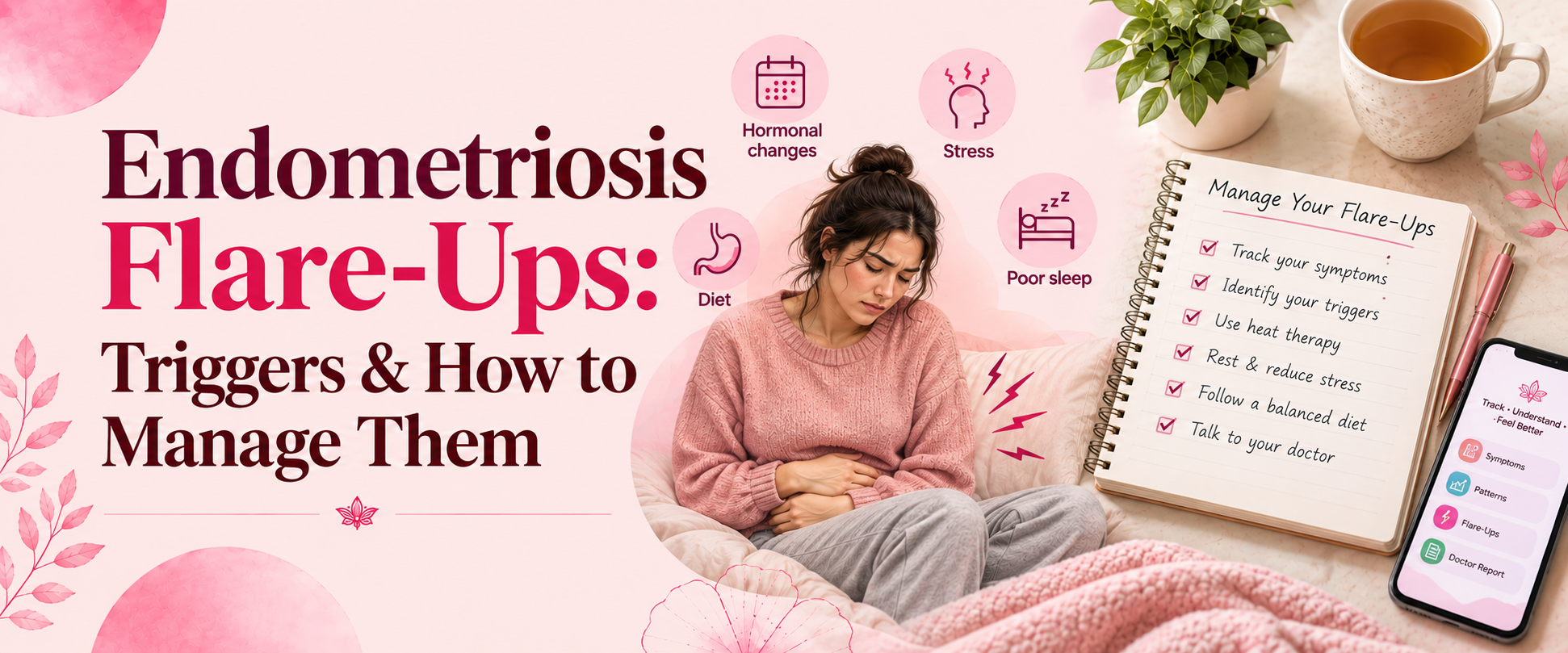
Triggers vary from person to person, which is part of why generic advice often falls short. Still, several categories show up consistently across most people’s experiences.
- Hormonal shifts, especially around ovulation and the days leading up to your period.
- Stress, which can heighten inflammation and pain sensitivity throughout the body.
- Certain foods, particularly those high in inflammatory fats, processed sugar, or alcohol for some people.
- Physical strain, including intense exercise, heavy lifting, or prolonged standing.
- Lack of sleep, which can lower your overall pain threshold.
- Illness or infection, which can temporarily intensify pelvic inflammation.
No single trigger applies to everyone, which is exactly why identifying your own pattern matters more than following someone else’s list.
Can Diet Really Affect Endometriosis Flare-Ups?
- Some people notice flares linked to high intake of red meat, fried foods, or refined sugar.
- Alcohol and excess caffeine are frequently reported as flare triggers by many with endometriosis.
- Anti-inflammatory foods, like leafy greens, fatty fish, and whole grains, are often associated with fewer or milder flares.
- Individual sensitivity varies significantly, so what triggers one person may have no effect on another.
If you’re curious how nutrition fits into the bigger picture, it’s worth exploring a dedicated endometriosis diet guide, since food-related patterns are often easier to identify with structured tracking over time.
Download MyEndo and Track Your Flare-Ups
- 7-day free trial • Cancel anytime
How Do You Figure Out Your Personal Flare Triggers?
Because triggers are so individual, the only reliable way to identify yours is by watching for patterns over time rather than guessing based on general advice. This takes a bit of patience, but it pays off quickly once a pattern emerges.
- Log your symptoms daily, not just during flares, so you have a baseline to compare against.
- Note what you ate, your stress level, activity, and sleep in the 24–48 hours before a flare.
- Look for repeated combinations, like flares consistently appearing 2–3 days before your period.
- Be specific rather than general; "stress" is less useful than noting exactly what kind of stress preceded the flare.
This is exactly where a habit of tracking your triggers becomes valuable, because patterns that feel invisible day to day often become obvious once they’re written down consistently.
What Can You Do in the Moment During a Flare-Up?
- Apply heat to the lower abdomen or back to help ease muscle tension and cramping.
- Rest in a position that relieves pressure, such as lying on your side with knees drawn up.
- Use any pain relief methods your provider has approved for your situation.
- Stay hydrated and avoid pushing through physical activity that could worsen symptoms.
- Give yourself permission to cancel or postpone non-essential plans without guilt.
Having a go-to flare plan means you’re not scrambling to figure out what helps while you’re already in pain.
Download MyEndo and Take Control of Your Flare-Ups
- 7-day free trial • Cancel anytime
What Are Longer-Term Ways to Manage Endometriosis Flare-Ups?
- Working with your provider on a treatment plan tailored to your specific symptoms and goals.
- Building consistent sleep and stress-management routines, since both are common flare contributors.
- Gradually identifying and reducing your personal dietary triggers, rather than following a strict elimination diet all at once.
- Staying physically active in ways your body tolerates well, since gentle movement can help some people, while intense exercise worsens flares for others.
- Reviewing your endometriosis pain relief options regularly with your provider, since what works can change over time.
Long-term management tends to work best when it’s based on your own tracked patterns, not generic advice that doesn’t account for your specific triggers.
How Do You Know When a Flare-Up Needs Medical Attention?
Most flares can be managed at home, but some symptoms warrant a call to your provider or urgent care rather than waiting it out. Knowing the difference matters for your safety.
- Pain that is significantly more severe than anything you've experienced before.
- Fever accompanying pelvic pain, which could indicate infection.
- Heavy bleeding that soaks through protection every hour or less.
- Pain accompanied by fainting, dizziness, or an inability to keep fluids down.
- A flare that doesn't improve at all after several days.
If you’re ever unsure whether what you’re feeling matches typical flare patterns, it helps to understand what endometriosis pain feels like in general so you can better judge when something feels different or more urgent than usual.
How Tracking Helps You Get Ahead of Flare-Ups
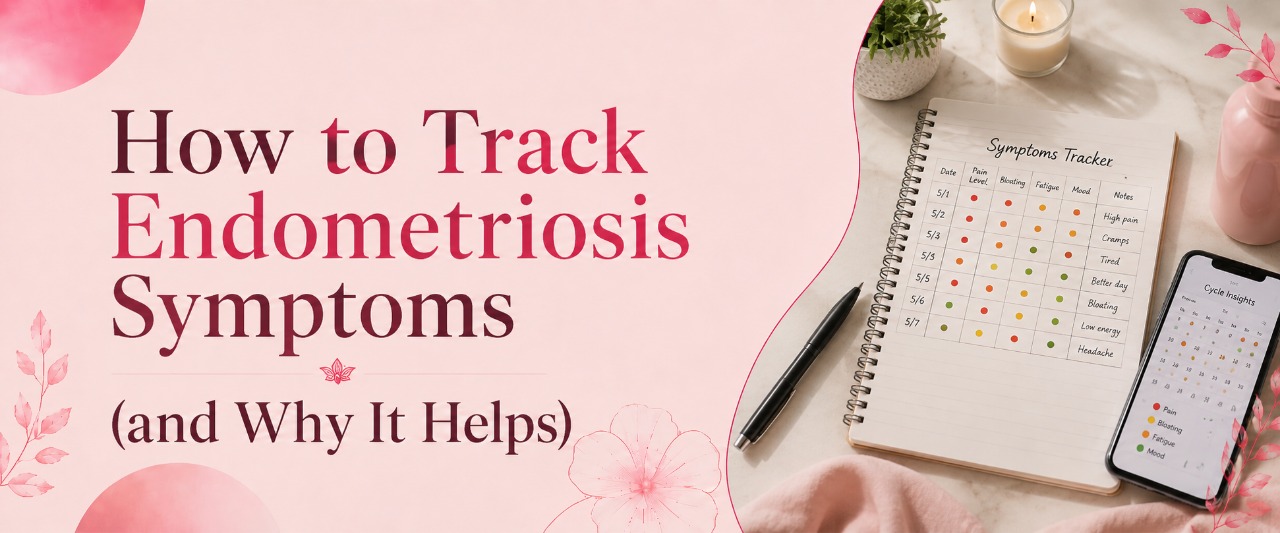
- Logging pain, symptoms, and potential triggers daily reveals patterns that aren't obvious in the moment.
- Comparing flares over several months can show whether frequency or intensity is changing.
- Identifying early warning signs, like mild bloating a day or two before a flare, allows you to prepare in advance.
- A dedicated pelvic pain tracker turns scattered, stressful memories into a clear record you can actually act on.
- A flare that doesn't improve at all after several days.
How MyEndo Helps You Track and Manage Flare-Ups
MyEndo was built specifically with flare-ups in mind, because logging in detail is often the last thing anyone wants to do while in pain. It’s a symptom tracking and education tool, not a medical device, and it works whether or not you have a formal diagnosis yet.
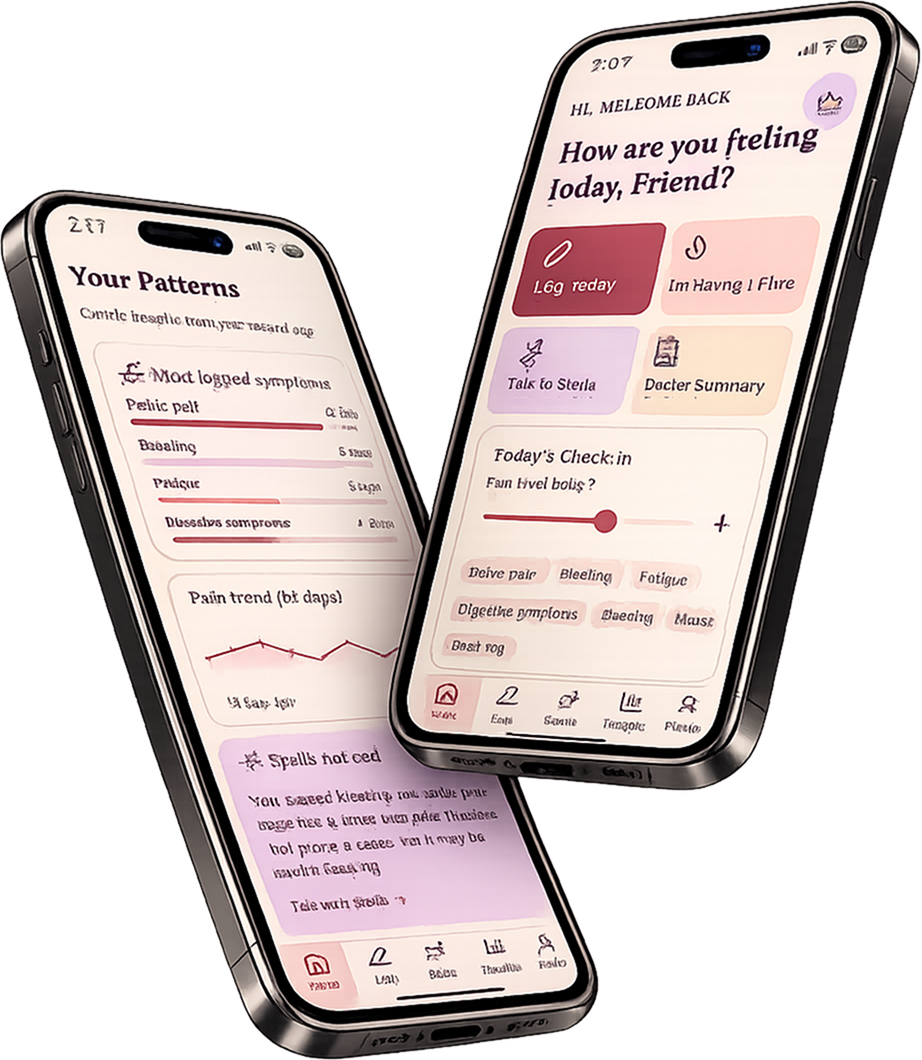
- Flare Mode: A one-tap option designed for your worst days, so you can log the essentials in seconds and get back to resting.
- Daily Log: Record pain level, body map location, bleeding, symptoms, and triggers in under 60 seconds on ordinary days too.
- Stella AI: An AI companion that reviews your logged data and helps surface patterns, like recurring triggers you may not have connected yourself.
- Pattern Insights: See your 14-day pain trend and flare frequency in one dashboard, so you can spot whether flares are becoming more or less frequent.
- Doctor Summary Report: Generate a structured 30-day report with one tap, giving your provider a clear picture of your flare pattern instead of a vague recap.
Frequently Asked Questions
Conclusion
Your Pattern Is the Proof
MyEndo makes that possible with a Flare Mode built for your worst days, a Daily Log under 60 seconds, Stella AI to help connect the dots, and a Doctor Summary Report that turns 30 days of tracking into a clear picture your provider can use. Start your free trial today and start seeing your flares coming before they hit.