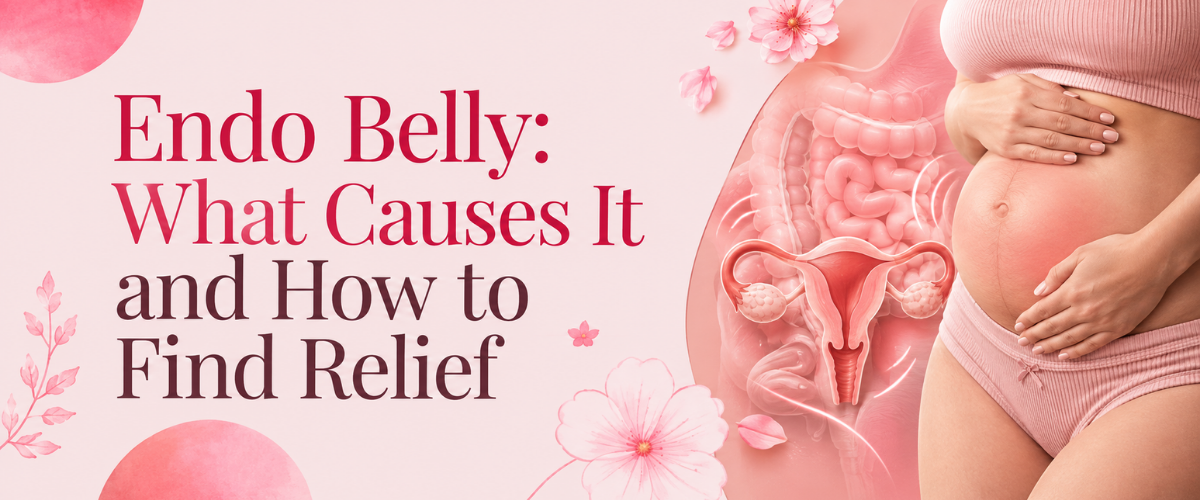
Endometriosis pain usually feels like a deep, stabbing, burning, or pulling sensation in the pelvis that gets worse around your period and doesn’t fully calm down with regular painkillers. For many people, it also spreads beyond the pelvis, into the lower back, legs, bladder, or bowels, and shows up as more than just “bad cramps.”
If you’ve ever sat in a doctor’s office trying to explain your pain and watched their eyes glaze over at the word “cramps,” you already know the problem. Endometriosis pain doesn’t fit into one neat box, and it doesn’t always match what shows up on a scan. This guide explains what endometriosis pain really feels like, why it varies so much, and how tracking your pain, instead of just remembering it, can change the way your provider actually hears you.
What Does Endometriosis Pain Actually Feel Like?
- Stabbing or knife-like pain: Sudden, sharp jabs low in the belly or pelvis.
- Deep, dull aching: A heaviness that sits low in the pelvis for days.
- Burning: A hot, raw sensation, often around the bladder or rectum.
- Throbbing or pulsing pain: Pain that comes in waves, similar to a heartbeat.
- Pulling or twisting: A sense that something internal is being tugged or wrung out.
- Pressure: A feeling of fullness or heaviness, sometimes mistaken for bloating.
Track Your Symptoms Before They Get Worse


- 7-day free trial • Cancel anytime
Where Do People Feel Endometriosis Pain?
- Lower abdomen and pelvis: The most commonly reported area.
- Lower back: A constant ache that can mimic back strain.
- Legs and hips: Radiating or nerve-like pain, sometimes mistaken for sciatica.
- Bladder: Burning or pressure, especially when it's full.
- Rectum and bowel: Sharp pain during bowel movements, particularly around your period.
- During intercourse: Deep pain during or after sex, especially with certain positions.
Is Endometriosis Pain Different from Normal Period Cramps?
Yes. Ordinary period cramps are usually manageable with an over-the-counter pain reliever and fade within a day or two. Endometriosis pain tends to be more intense, lasts longer, and often doesn’t respond well to standard medication.
A few signs your pain may be more than “just cramps”:
- Pain that starts days before your period and lingers after it ends.
- Pain severe enough to keep you home from work or school.
- Pain that doesn't improve much with ibuprofen or naproxen.
- Pain accompanied by nausea, dizziness, or fatigue.
- Pain that shows up outside your period, too, not just during it.
If this sounds familiar, it’s worth reading more about the full range of endometriosis symptoms beyond pain, since many people don’t realize how many day-to-day symptoms are connected to the same condition.
Noticing a Pattern? Start Tracking Today
- 7-day free trial • Cancel anytime
What Are the Different Types of Endometriosis Pain?
Doctors often break endometriosis pain into categories based on when and where it happens. Knowing the medical terms can actually help you describe your pain more precisely in an appointment.
- Dysmenorrhea, painful periods, are often more severe and longer-lasting than typical cramps.
- Dyspareunia, pain during or after sex, especially deep pain.
- Dyschezia, pain during bowel movements, is often worse around menstruation.
- Dysuria, pain, or burning during urination.
- Chronic pelvic pain, pain that persists most days, not just around your cycle.
Why Does Endometriosis Pain Vary So Much From Person to Person?
- Pain can be driven by inflammation, not just the size of lesions.
- Nerve sensitivity differs from person to person.
- Hormonal shifts around ovulation and menstruation can spike pain.
- Scar tissue and adhesions can pull on organs in ways imaging doesn't capture.
- Co-occurring conditions like PCOS, adenomyosis, fibroids, or IBS can layer additional pain on top.
How Do You Know If Your Pain Is "Normal" or a Sign of Endometriosis?
- Pain that interferes with school, work, or relationships is not "normal."
- Needing to cancel plans repeatedly because of period pain is worth investigating.
- Pain that's gradually gotten worse over months or years shouldn't be ignored.
- Pain combined with bowel, bladder, or fertility issues points to something bigger than cramps.
How Can You Track and Describe Endometriosis Pain So Doctors Take You Seriously?
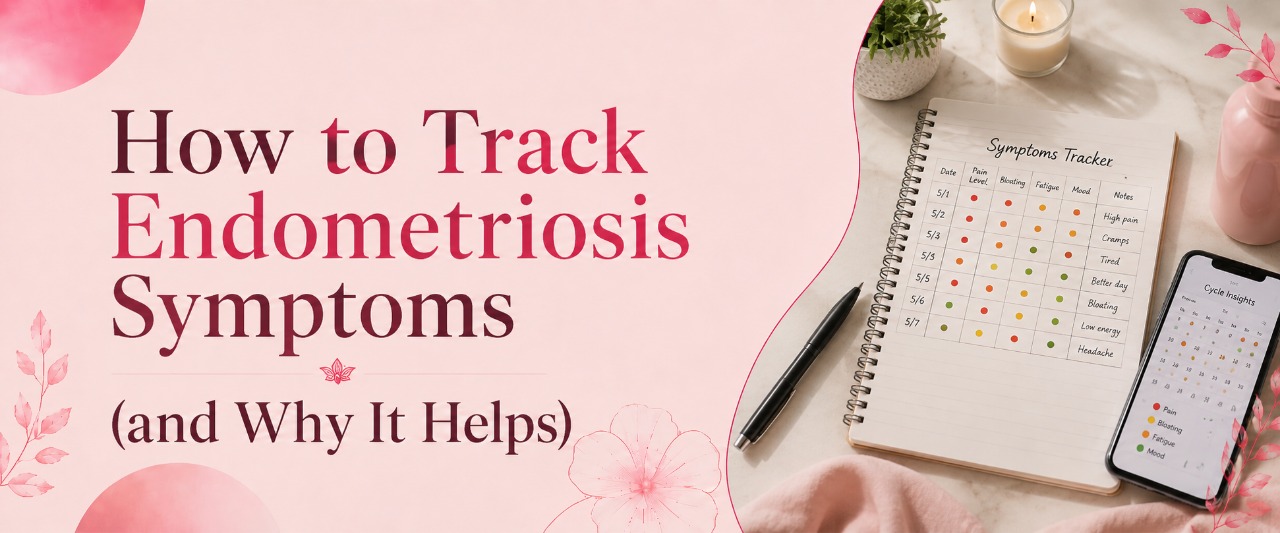
The single biggest challenge with endometriosis pain isn’t just living with it; it’s remembering and explaining it accurately weeks later in a 15-minute appointment. This is where structured tracking makes a real difference.
- Log pain on a simple 0–10 scale instead of relying on memory.
- Note the exact location using a body map rather than a vague "down there."
- Record what symptoms show up alongside the pain, bloating, fatigue, nausea, and bowel or bladder changes.
- Track what helped and what didn't, so patterns become visible over time.
- Use a dedicated pelvic pain tracker instead of trying to keep it all in your notes app.
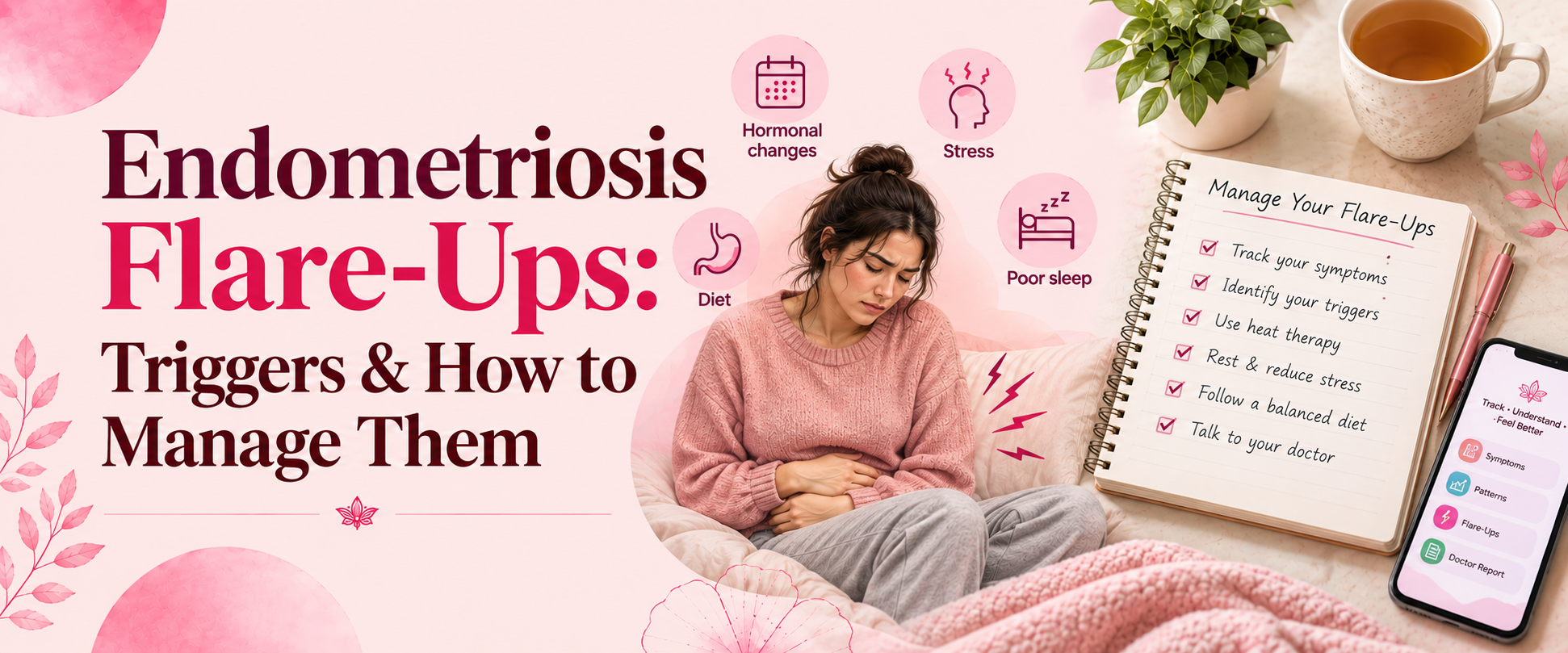
A consistent endometriosis symptom tracker turns “I think it’s been bad lately” into an actual pattern your provider can see and act on. And on the days pain is at its worst, a dedicated flare tracker means you can log in seconds instead of trying to write a paragraph while doubled over.
Turn Daily Symptoms Into Doctor-Ready Reports
- 7-day free trial • Cancel anytime
How MyEndo Helps You Understand and Communicate Your Pain
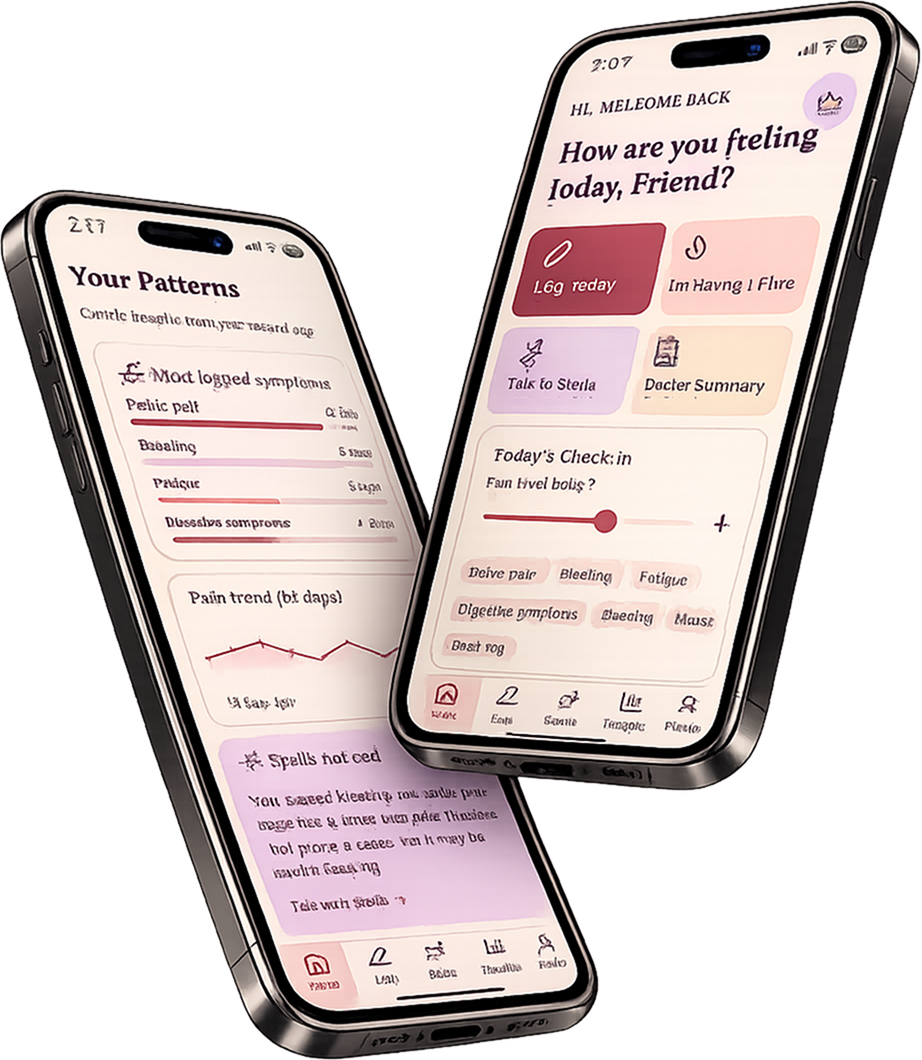
- Daily Log: Record pain level, location on a body map, bleeding, symptoms, triggers, and what helped, all in under 60 seconds.
- Flare Mode: A one-tap option for your worst days, so you can log the essentials in seconds and get back to resting.
- Stella AI: An AI companion that reviews your logged data, notices patterns, and helps you prepare for appointments without judgment.
- Pattern Insights: See your 14-day pain trend, flare frequency, most logged symptoms, and what's actually helped.
- Doctor Summary: Generate a structured 30-day report with one tap and show it on your phone at your next appointment, instead of trying to recall months of pain from memory.
Frequently Asked Questions
Conclusion
Your Pain Deserves to Be Understood, Not Just Endured
Endometriosis pain is real, it’s varied, and it deserves more than a shrug and a “that sounds normal.” Whether you’re still trying to get answers or already managing a diagnosis, the clearest way to be believed is to walk in with data instead of just a description.
MyEndo makes that possible: a daily log under 60 seconds, a Flare Mode for your worst days, Stella AI to help you spot patterns, and a Doctor Summary that turns 30 days of tracking into one page your provider can actually use. Start your free trial today and bring real data to your next appointment, not just your memory of the pain.