Chronic pain can change how you experience your entire day, and endometriosis can make that reality especially difficult. You may feel frustrated, isolated, anxious, or emotionally exhausted while trying to manage symptoms that other people cannot see. Understanding the connection between endometriosis and mental health can help you recognize what you’re experiencing and find practical ways to cope.
Can Endometriosis Affect Your Mental Health?
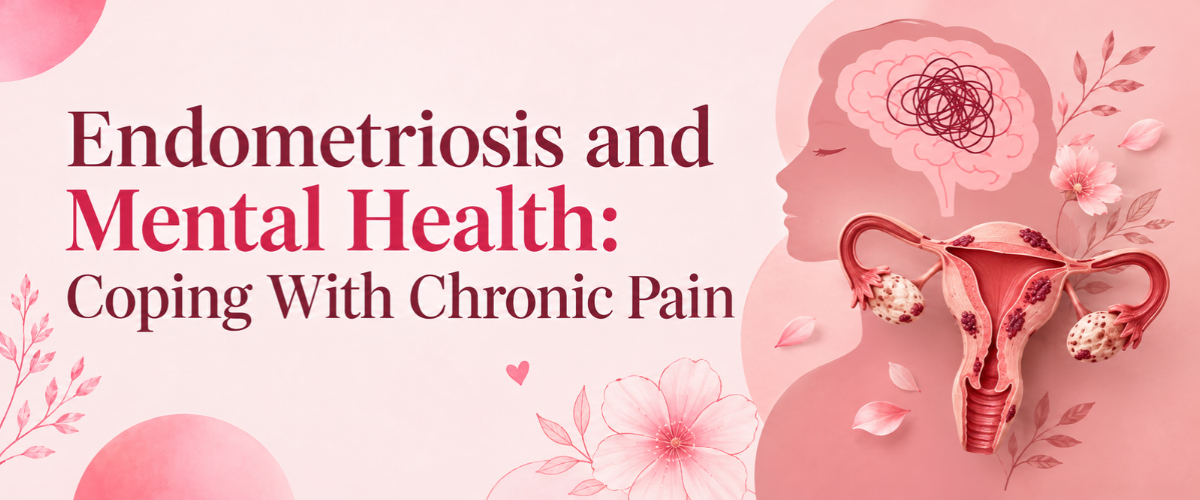
Yes. Endometriosis can affect emotional well-being, particularly when pain, fatigue, sleep problems, fertility concerns, and disruptions to everyday life become ongoing challenges.
The World Health Organization recognizes that endometriosis can affect mental health, including depression and anxiety. The condition can also contribute to chronic pelvic pain, fatigue, painful sex, social isolation, and reduced quality of life.
That doesn’t mean everyone with endometriosis will develop anxiety or depression. But when you’re repeatedly dealing with pain and uncertainty, it’s understandable for your emotional well-being to suffer too.
How Does Chronic Pain Affect Mental Health?
Pain and mental health can influence each other. When pain keeps returning, you may start anticipating the next flare-up before it even happens.
You might wonder:
- Will I be able to work tomorrow?
- Will I have to cancel my plans again?
- What if the pain gets worse?
- Will anyone understand what I'm going through?
That uncertainty can be exhausting.
Research has found that people with endometriosis experience higher levels of anxiety and depressive symptoms than people without the condition. Chronic pelvic pain is also an important factor in the relationship between endometriosis and psychological distress.
If you’re trying to understand your physical symptoms, learning what endometriosis pain feels like can also help you recognize patterns to discuss with your healthcare provider.
Download MyEndo App & Start Tracking


- 7-day free trial • Cancel anytime
Pain Can Affect More Than Your Mood
Chronic pain can affect:
- Sleep and energy
- Concentration
- Work or school
- Relationand intimacy
- ships Social activities
- Body image and confidence
- Your sense of control over everyday life
This is why endometriosis and mental health shouldn’t be treated as two completely separate issues.
Endometriosis and Anxiety
Living with unpredictable symptoms can create ongoing worry.
You may become anxious about making plans, missing work, having sex, traveling, or simply getting through the day without another painful episode. That doesn’t mean the anxiety is “all in your head.” It can be a response to living with a condition that can be difficult to predict and manage.
If anxiety is persistent or starts interfering with your everyday life, talk with a healthcare or mental health professional.
Endometriosis and Depression
Depression can look different from ordinary sadness.
You may lose interest in activities you normally enjoy, withdraw from other people, feel hopeless, or struggle to find energy for everyday tasks. Chronic pain, fatigue, sleep disruption, and reduced quality of life can all contribute to emotional distress.
Research has found an association between endometriosis and depression, but that doesn’t mean endometriosis directly causes depression in every person.
If low mood lasts or starts affecting your ability to function, professional support can help.
Why Can Endometriosis Feel So Emotionally Exhausting?
Sometimes the hardest part isn’t one particularly bad day. It’s having to keep starting over.
You manage one flare-up, recover, and then wonder when the next one will come. You may have to rearrange plans, explain your symptoms again, or make decisions based on how your body might feel tomorrow.
That loss of predictability can wear you down.
Research has also linked factors such as rumination, pain catastrophizing, and feeling a lack of control with depressive symptoms in people with endometriosis.
Pain catastrophizing doesn’t mean your pain is imaginary or that you’re choosing to think negatively. It refers to patterns of distressing thoughts around pain that can become part of the overall experience of living with chronic pain.
Download MyEndo App & Start Tracking
- 7-day free trial • Cancel anytime
You don’t have to wait until you’re completely overwhelmed to support your mental health.
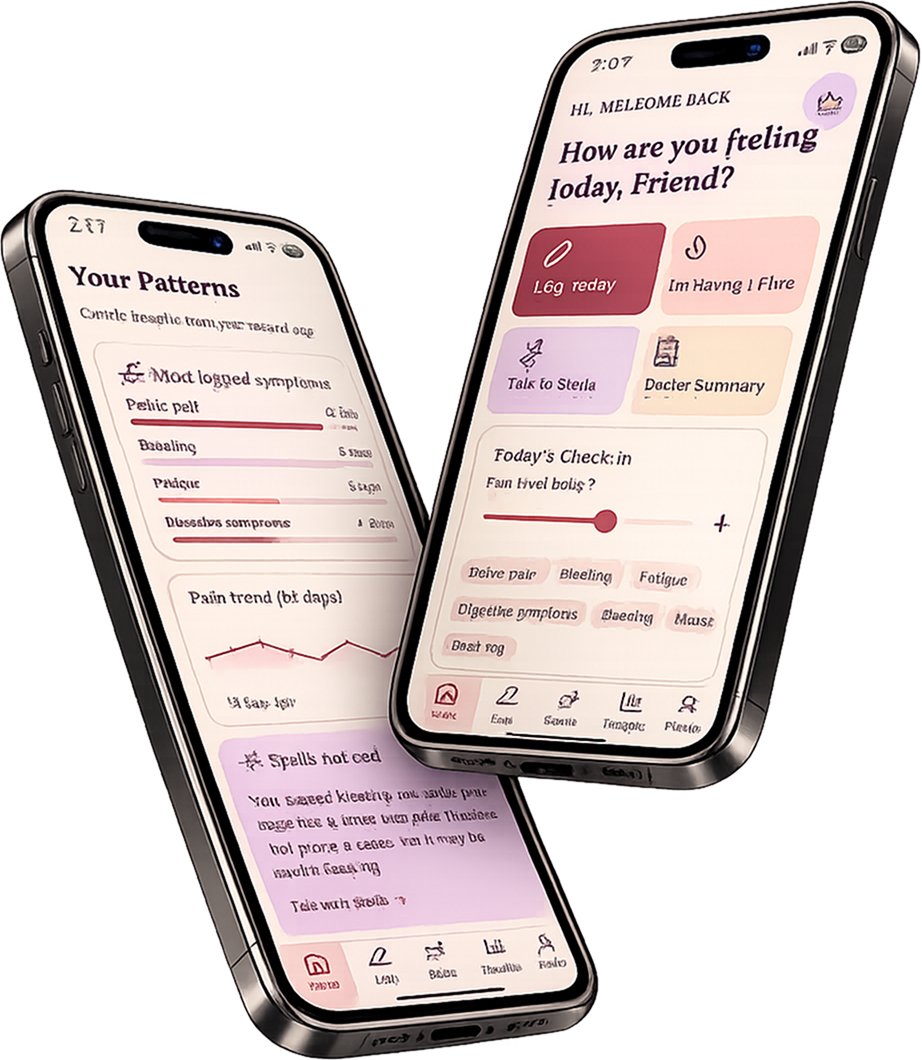
Track Your Symptoms and Mood
Keeping track of pain, mood, sleep, fatigue, and your menstrual cycle can help you notice patterns that are difficult to remember during an appointment.
You can also track your mood alongside your symptoms to create a clearer picture of how you’re feeling over time.
Bring useful patterns or changes to your healthcare appointments. Tracking isn’t a diagnosis, but it can help you communicate your experience more clearly.
Find Ways to Manage Your Pain
Mental health support shouldn’t replace treatment for the physical side of endometriosis.
Work with your healthcare provider to find an approach that’s appropriate for you. Depending on your symptoms and medical history, treatment may involve medication, hormonal treatment, surgery, physical therapy, or other approaches.
You can also learn more about endometriosis pain relief and discuss appropriate options with your healthcare provider.
Consider Psychological Support
Therapy isn’t a sign that your pain is psychological.
A therapist can help you deal with the emotional burden of chronic pain, anxiety, changes in your daily life, or the frustration that can come with managing a long-term condition.
Research suggests that psychological interventions may improve mental health and quality of life for some people with endometriosis.
You can take your physical symptoms seriously while also getting support for their emotional impact. You don’t have to choose one or the other.
Give Yourself Permission to Adjust Your Plans
Chronic pain sometimes means changing your plans.
That might mean scheduling fewer commitments when your symptoms are usually worse, building in recovery time, or telling someone you may need to cancel.
If endometriosis flare-ups repeatedly interfere with your work, relationships, sleep, or daily activities, tell your healthcare provider.
Download MyEndo App & Start Tracking
- 7-day free trial • Cancel anytime
When Should You Get Mental Health Support?
Consider talking with a healthcare or mental health professional if you experience persistent:
- Sadness or hopelessness
- Anxiety or constant worry
- Irritability
- Sleep problems
- Loss of interest in things you normally enjoy
- Social withdrawal
- Difficulty functioning at work, school, or home
- Feeling unable to cope
You deserve support for the emotional effects of chronic pain just as much as you deserve care for the physical symptoms.
If you’re using a digital support tool, Stella AI Companion can also provide a way to track your mood and experiences between appointments. Learn how it works to see whether it fits your self-management routine.
FAQs About Endometriosis and Mental Health
Yes. Pain, fatigue, sleep disruption, uncertainty, and other effects of endometriosis can affect mood and emotional well-being. Research has found higher levels of anxiety and depressive symptoms among people with endometriosis.
Chronic pain can contribute to anxiety and ongoing stress, particularly when symptoms are unpredictable or interfere with daily life.
Endometriosis is associated with a higher risk of depression and depressive symptoms, but this does not mean everyone with endometriosis will develop depression.
There is no good evidence that anxiety or depression causes endometriosis. Mental health symptoms and endometriosis can be associated, but that does not mean a mental health condition caused the disease.
Emotional exhaustion can happen when you’re repeatedly dealing with pain, fatigue, disrupted plans, uncertainty, or other chronic symptoms. Persistent or severe emotional symptoms deserve professional support.
You Don't Have to Manage It Alone
Endometriosis can affect both your physical health and your emotional well-being. Taking care of one doesn’t mean ignoring the other.
Track how you’re feeling, seek appropriate treatment for your physical symptoms, and reach out for mental health support when you need it. You don’t have to prove that your pain is “bad enough” before you deserve help.
Start Understanding Your Patterns
If you want a simple way to keep track of your mood and experiences, Stella AI Companion can help you organize what you’re noticing over time.
Explore Stella AI Companion →
Stella is a support and tracking tool, not a replacement for medical care, diagnosis, or professional mental health treatment.