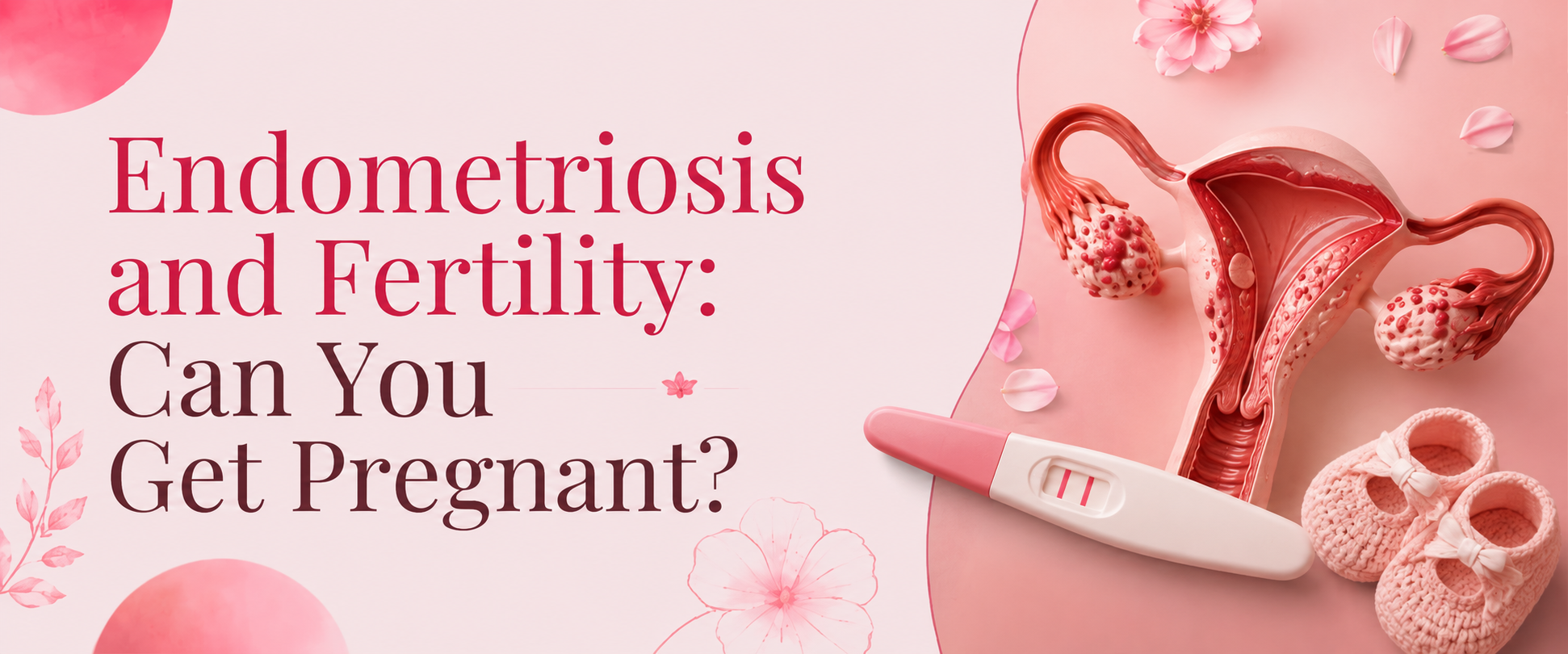
Yes, most people with endometriosis can get pregnant, though it may take longer or require some medical support depending on how severe the condition is. Research suggests roughly 60–70% of people with endometriosis conceive spontaneously, while others, particularly those with more advanced disease, may need treatment such as surgery or fertility support to improve their chances.
If you’ve just been diagnosed with endometriosis, or you suspect you have it and you’re also thinking about starting a family, it’s completely normal to feel like you’ve been handed two problems instead of one. The good news is that endometriosis and infertility are not the same thing, and having one doesn’t automatically mean the other. This guide walks through how endometriosis and fertility are connected, what factors matter most, and how tracking your cycle and symptoms can help you and your provider make a clearer plan.
Does Endometriosis Always Cause Infertility?
No. Endometriosis is associated with fertility challenges, but it does not automatically cause infertility, and plenty of people conceive without ever needing treatment.
- Most people with mild to moderate endometriosis are still fertile
- Estimates suggest a meaningful majority of people with endometriosis can conceive naturally over time
- Fertility challenges become more likely, though not guaranteed, as the disease becomes more advanced
- Even with severe endometriosis, natural conception is still possible for some people
Download MyEndo App and Track Your Symptoms


- 7-day free trial • Cancel anytime
How Does Endometriosis Actually Affect Fertility?
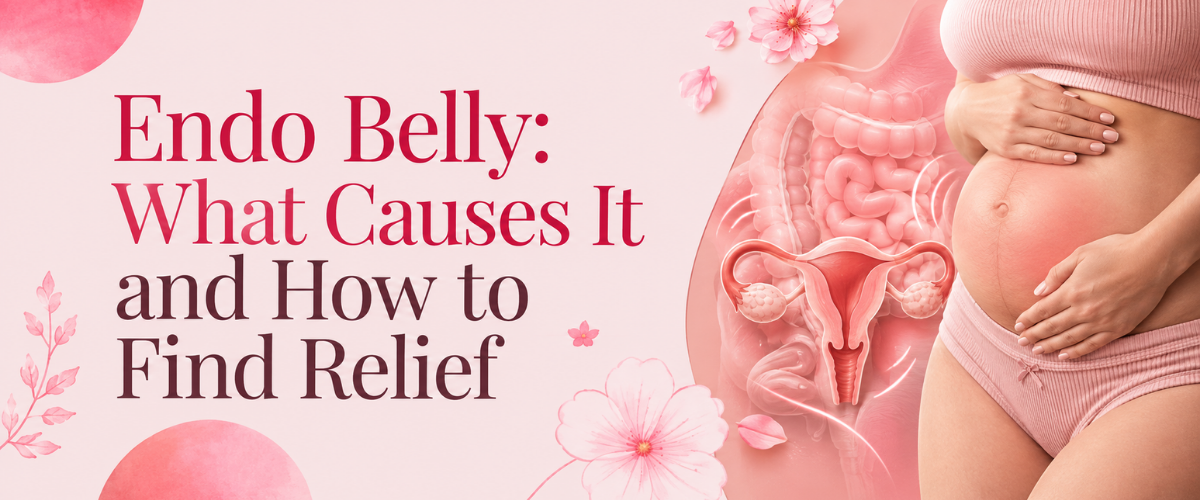
Endometriosis can interfere with conception in several different ways, and the mechanism isn’t fully understood even by researchers. Still, a few contributing factors show up consistently in the research.
- Endometrial-like tissue on the ovaries or fallopian tubes can physically block an egg from traveling to the uterus
- Scar tissue and adhesions can distort the normal position of reproductive organs
- Chronic inflammation may affect egg quality or interfere with embryo implantation
- Endometriosis can alter the hormonal environment surrounding the eggs
- In some cases, the condition may also affect sperm function within the reproductive tract
Because these effects vary so much from person to person, two people with the same diagnosis can have very different fertility experiences.
Does the Severity of Endometriosis Affect Fertility Differently?
- People with earlier-stage endometriosis are more likely to conceive without medical intervention
- More advanced disease is more strongly associated with fertility challenges, particularly when it affects the ovaries or fallopian tubes directly
- Age also plays a significant independent role; fertility naturally declines over time regardless of endometriosis
- Some research suggests removing visible endometriosis surgically may improve pregnancy chances for certain people, especially those under 35
Understanding endometriosis stages can help you have a more informed conversation with a fertility specialist about what to expect and when to consider additional support.
What Are the Treatment Options If Endometriosis Is Affecting Fertility?
If you’re struggling to conceive, there are established treatment paths, and a fertility specialist will typically consider your age, symptoms, and how advanced your endometriosis is before recommending one.
- Laparoscopic surgery to remove endometriosis implants and scar tissue while preserving the uterus, ovaries, and fallopian tubes
- Fertility medications to support ovulation and improve the chances of conception
- IVF (in vitro fertilization), which is often recommended for more advanced cases or when other treatments haven't worked
- A combined approach, using surgery alongside assisted reproduction, depending on individual circumstances
Because endometriosis surgery is often part of this conversation, many providers will discuss your fertility goals before recommending a specific surgical approach, since some techniques aim to preserve reproductive organs specifically.
Download MyEndo and Track Your Fertility Journey
- 7-day free trial • Cancel anytime
When Should You Talk to a Specialist About Fertility and Endometriosis?
Timing matters more than people often realize, especially since endometriosis can be a slow-progressing condition. Early conversations tend to preserve more options down the road.
- If you've been trying to conceive for 6–12 months without success
- Sooner than that if you already have a diagnosis of more advanced endometriosis
- If your periods have become significantly heavier, longer, or more painful over time
- If you're not ready to conceive yet but want to understand your options for the future
Bringing up fertility early doesn’t mean you have to start treatment right away; it simply means keeping your options open while you decide what’s right for you.
Why Is Diagnosis Often the First Hurdle With Endometriosis and Fertility?
One of the most frustrating parts of this journey is that endometriosis itself can take years to diagnose, which delays fertility conversations that might otherwise start earlier.
- Endometriosis symptoms are frequently mistaken for other conditions, delaying diagnosis
- A definitive diagnosis often requires surgery, since imaging doesn't always detect it
- Many people only discover they have endometriosis after already struggling to conceive
- Understanding how endometriosis is diagnosed can help you advocate for earlier evaluation if you're also trying to get pregnant
This is exactly why tracking symptoms early, even before a formal diagnosis, can shorten the distance between “something feels wrong” and getting real answers.
Track Your Fertility Journey With the MyEndo App
- 7-day free trial • Cancel anytime
How Tracking Your Symptoms Can Support Your Fertility Conversation
Because endometriosis affects fertility differently for everyone, the more detailed information you can bring to a specialist, the more tailored their guidance can be. This is where day-to-day tracking becomes genuinely useful, not just for pain, but for the bigger picture of your reproductive health.
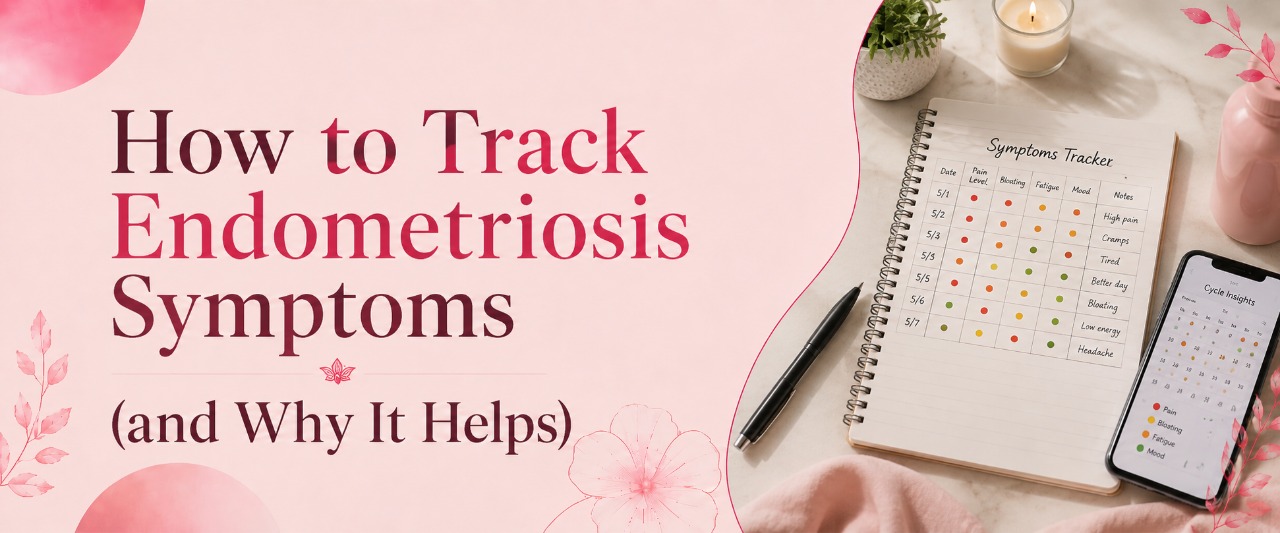
- Logging your cycle length and regularity over several months can reveal patterns worth flagging
- Recording pain around ovulation, not just around your period, can point to where endometriosis may be active
- Tracking heavy bleeding, clotting, or cycle changes over time gives your provider real data instead of a rough estimate
- Noting how your body responds to any current treatment helps determine whether it's working before you move to the next step
Learning to track fertility symptoms alongside your regular pain and cycle data gives you a much fuller picture to bring into any fertility conversation, whether you’re just starting to ask questions or already working with a specialist.
How MyEndo Supports You Through the Fertility Conversation
MyEndo tracks fertility concerns as one of the core areas people log alongside endometriosis because the two are so often part of the same conversation. It’s built as a tracking and education tool, not a medical device, and it doesn’t require a diagnosis to start.
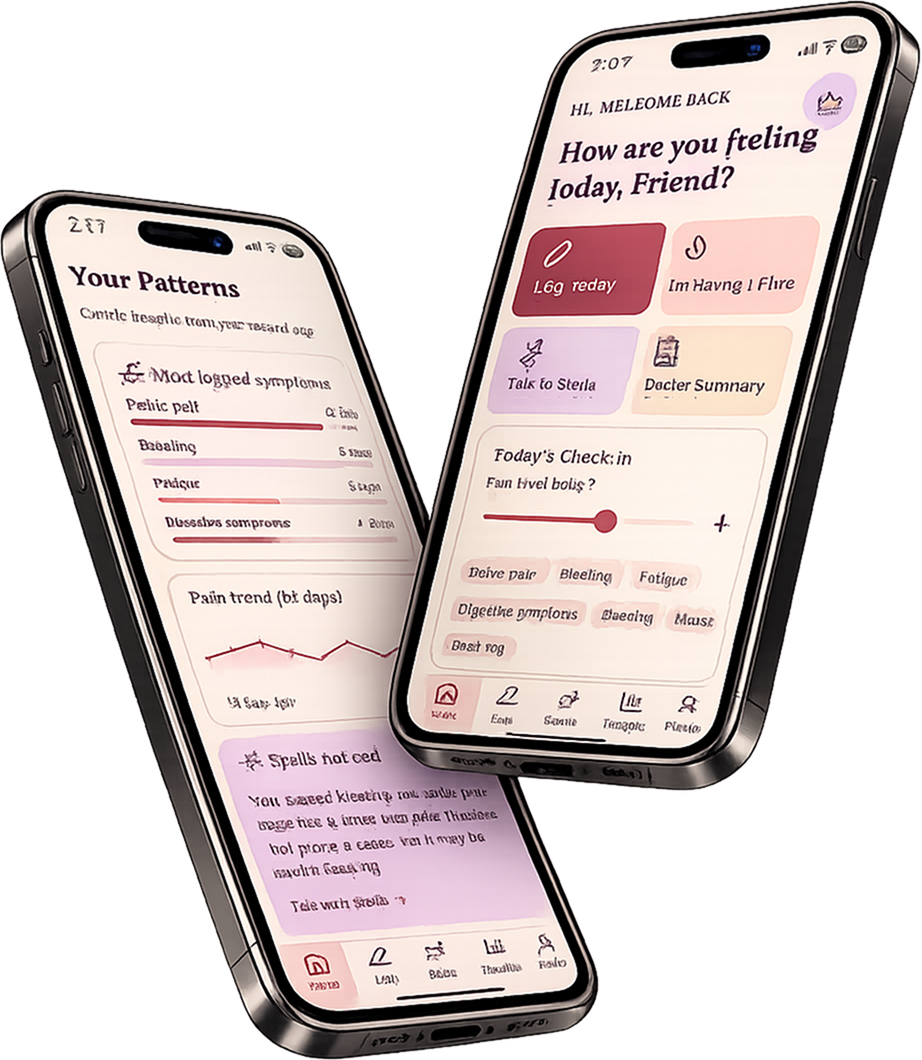
- Daily Log: Record pain level, body map location, bleeding, symptoms, and triggers in under 60 seconds, including patterns tied to your cycle
- Stella AI: An AI companion that reviews your logged data and notices patterns, like whether pain consistently shows up around ovulation
- Pattern Insights: See your 14-day pain trend, flare frequency, and most logged symptoms, so you can spot cycle-related patterns over time
- Doctor Summary Report: Generate a structured 30-day report with one tap, giving your fertility specialist or gynecologist a clear picture of your symptoms instead of a rushed recap
- Getting started only takes a few minutes; check out how it works to see the three simple steps from download to your first doctor summary.
Whether you’re newly diagnosed, still waiting for answers, or actively trying to conceive, having 30 days of structured data gives you a stronger starting point for any fertility conversation with your provider.
Frequently Asked Questions
Yes, many people with mild to moderate endometriosis conceive naturally, though it may take longer than average. Severity, age, and where the endometriosis is located all play a role.
No. IVF is typically considered for more advanced cases or when other approaches, like surgery or fertility medication, haven’t resulted in pregnancy. A specialist will tailor the recommendation to your specific situation.
Most guidance suggests seeking help after 6–12 months of trying without success, or sooner if you have a known diagnosis of more advanced endometriosis.
Conclusion
Endometriosis and fertility are closely connected, but a diagnosis does not mean pregnancy is out of reach. Understanding how the condition affects your body, seeking timely medical advice, and tracking your symptoms can help you make informed decisions. With the right support and clear health data, you can take confident steps toward achieving your fertility goals.
You Deserve Clarity, Not Just a Waiting Game
Endometriosis and fertility are connected, but they’re not the same story for everyone, and having the condition doesn’t mean pregnancy is off the table. The clearest path forward is understanding your own pattern, from your cycle to your pain to how your body responds to treatment.
MyEndo helps you build that picture one day at a time, with a Daily Log under 60 seconds, Stella AI to help spot patterns, and a Doctor Summary Report that turns 30 days of tracking into a page your specialist can actually use. Start your free trial today and bring real data to your next fertility conversation, not just questions.