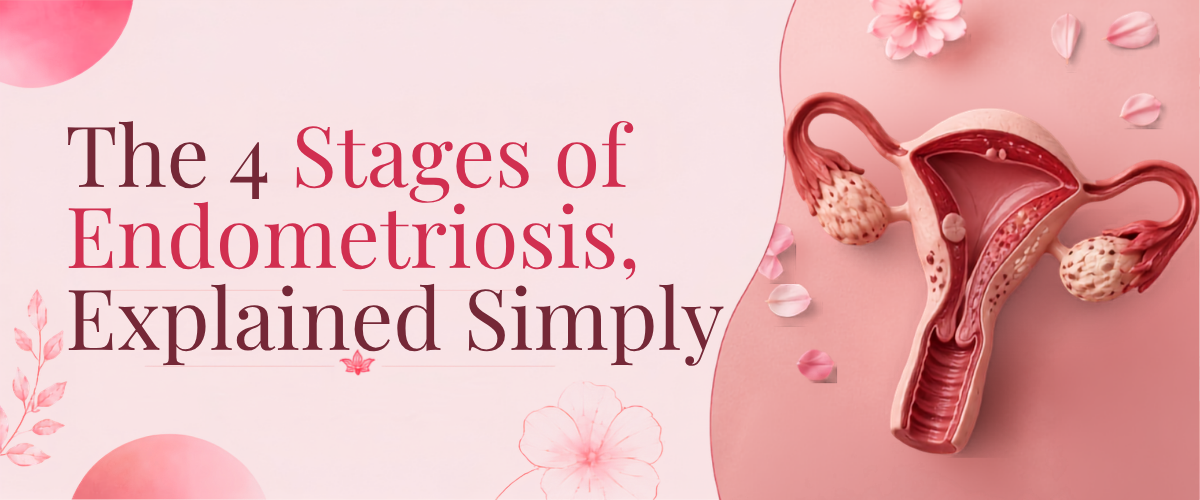
Endometriosis is grouped into four stages: minimal, mild, moderate, and severe. These stages come from a surgical scoring system developed by the American Society for Reproductive Medicine (ASRM), not from your pain levels. A higher stage usually means more endometriosis tissue and scarring, but not necessarily worse symptoms.
Your endometriosis stage says surprisingly little about how much pain you’ll feel. Someone with Stage 1 may experience debilitating pain, while another person with Stage 4 may have few or no symptoms.
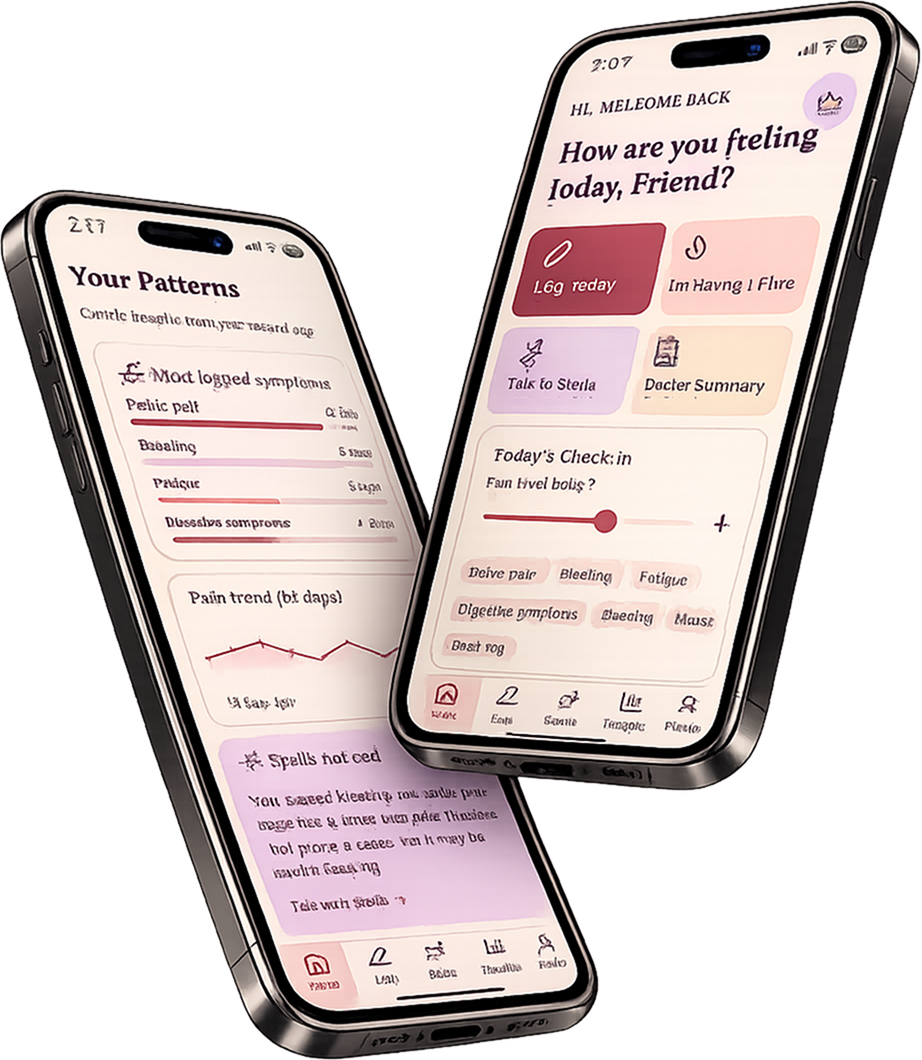
So what do the four stages actually measure? They describe how much endometriosis tissue is present, where it’s located, and how deeply it has grown. While your stage reflects what doctors see during surgery, your day-to-day symptoms often tell a different story. That’s why many people use symptom-tracking tools like MyEndo to identify patterns in pain, periods, and other symptoms before appointments.
This guide explains the four stages of endometriosis in plain language, what each stage means, and why your stage often matters less than the story your body tells you each month.
What are the stages of endometriosis?
Endometriosis stages are a way doctors rank how widespread the disease is inside the pelvis. The most common system, from the American Society for Reproductive Medicine (ASRM), scores the size, depth, and location of lesions and adhesions, then sorts the total into one of four stages.
That score usually comes from a surgery called a laparoscopy. Want the full picture on testing? See our guide on how endometriosis is diagnosed.
Download MyEndo and Track Your Symptoms


- 7-day free trial • Cancel anytime
The 4 stages of endometriosis
Each stage links to a point score. Here’s the quick version, then the details.
| Stage | Name | ASRM point score |
|---|---|---|
| Stage 1 | Minimal | 1 to 5 |
| Stage 2 | Mild | 6 to 15 |
| Stage 3 | Moderate | 16 to 40 |
| Stage 4 | Severe | Above 40 |
Stage 1: Minimal
At this stage, there are a few small, shallow implants. They sit close to the surface of the tissue, often on the lining of the pelvis. Scarring is usually light or absent.
Minimal doesn’t mean painless. Many people with Stage 1 report significant cramps, and some struggle to conceive even with very little visible disease.
Stage 2: Mild
Stage 2 brings more implants, and some sit a little deeper. You may see early, filmy adhesions, which are thin bands of tissue that can start to tether organs together.
The pelvis still looks mostly normal on imaging. That’s part of why early endometriosis is so easy to miss.
Stage 3: Moderate
Now the disease digs in. Stage 3 usually means many deep implants, plus ovarian cysts called endometriomas (sometimes nicknamed “chocolate cysts”). Adhesions become thicker and can pull organs out of place.
This is often where fertility conversations get more serious. Deeper tissue and scarring can affect how the ovaries and tubes work.
Stage 4: Severe
Stage 4 is the most extensive form. Expect large endometriomas, dense adhesions, and lesions that may reach the bowel or bladder. Organs can stick together and shift out of their normal position.
Surgery at this stage is more complex and usually needs a skilled specialist. If that’s on your horizon, read what to expect from endometriosis surgery.
Why your stage doesn't predict your pain
This is the part that frustrates so many patients. The stage measures tissue, not suffering.
You can have Stage 4 disease with mild symptoms. You can have Stage 1 and be in agony. Some people have no symptoms at all and only discover endometriosis while investigating infertility.
Why the mismatch? Pain has many drivers beyond lesion size, including inflammation, nerve involvement, and how your body processes pain signals. Because of this, most specialists now advise treating your symptoms, not your stage number.
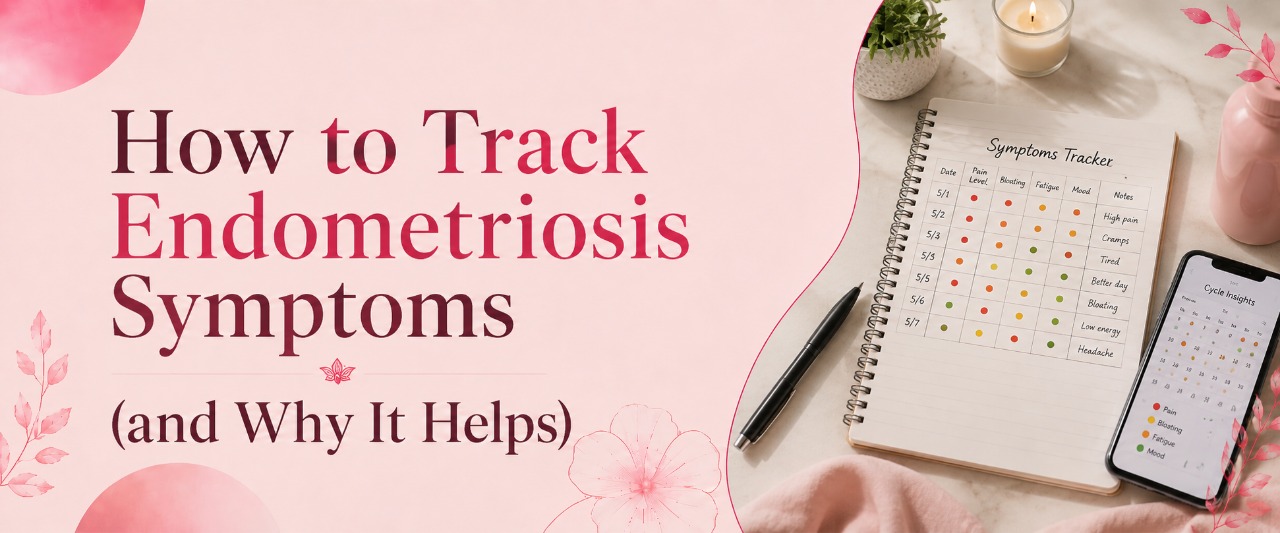
That’s exactly why keeping a record helps. When you track symptoms over time, you build a clear pattern that a stage label can’t capture on its own.
Download MyEndo and Track Beyond Your Stage
- 7-day free trial • Cancel anytime
How staging connects to fertility and treatment
Higher stages carry a higher chance of fertility challenges, mainly because adhesions and cysts can disrupt the ovaries and fallopian tubes. Still, plenty of people with severe disease conceive, and plenty with minimal disease need help. For a deeper look, see endometriosis and fertility.
Treatment tends to follow your symptoms and goals rather than the stage alone. Options may include pain management, hormone therapy, or surgery. What works for one person may not suit another, so a plan built around your body usually beats a plan built around a number.
Bringing organized notes to appointments makes this easier. A clear doctor summary report turns months of scattered symptoms into something your specialist can act on in minutes.
How MyEndo Helps You Manage Endometriosis at Every Stage
Your endometriosis stage is only one part of understanding the condition. What often matters just as much is how your symptoms change from cycle to cycle.
With MyEndo, you can:
- Track symptoms over time to identify pain patterns, bleeding, fatigue, and digestive symptoms.
- Generate a doctor summary report that turns months of symptom tracking into a clear overview for your healthcare provider.
- Monitor medications, treatments, and lifestyle factors to see what improves your symptoms.
- Build a detailed symptom history, even if your stage stays the same.
Because endometriosis doesn’t always progress in a predictable way, consistent symptom tracking can help you and your doctor make more informed treatment decisions.
When To See A Doctor
Book an appointment if you notice any of these:
- Period pain that stops you from doing normal activities
- Pain during or after sex
- Pain with bowel movements or urination during your period
- Heavy or irregular bleeding
- Trouble getting pregnant after trying for a year
Seek prompt care for sudden, severe pelvic pain, which can signal a cyst rupture or another urgent issue.
Download MyEndo to Track Your Endometriosis
- 7-day free trial • Cancel anytime
Frequently Asked Questions
Your endometriosis stage doesn’t always reflect your symptoms, and MyEndo helps you track symptoms over time and generate a doctor summary report for more informed appointments.
Conclusion
Understanding the endometriosis stages can help you make sense of your diagnosis, but your stage is only one part of the picture. Symptoms, fertility goals, and quality of life matter just as much. By tracking changes over time and working with an experienced specialist, you can make more informed decisions and build a treatment plan that fits your needs.
Track Your Endometriosis Beyond the Stage
Your stage tells doctors what they found during surgery, but your daily symptoms tell the real story. MyEndo helps you track pain, periods, medications, and symptom patterns over time, creating clear reports you can share with your healthcare provider. Start building a more complete picture of your health today and make every appointment more productive.