Endometriosis vs. PCOS are two different conditions that can affect menstrual cycles, fertility, and overall reproductive health, but they have distinct causes, symptoms, and treatment approaches. While endometriosis occurs when tissue similar to the uterine lining grows outside the uterus, PCOS is a hormonal disorder that disrupts ovulation and hormone balance.
Understanding the differences can help you recognize symptoms earlier, communicate more effectively with your healthcare provider, and make informed decisions about your health. This guide explains the key differences, common questions, and why tracking your symptoms can make a meaningful difference before your next appointment.
What Is the Difference Between Endometriosis and PCOS?
Although they are often mentioned together, endometriosis and PCOS are separate conditions with unique underlying causes. They may share certain symptoms, which can make it difficult to tell them apart without a proper medical evaluation.
Here are the key differences:
- Endometriosis occurs when tissue similar to the uterine lining grows outside the uterus, often causing inflammation and chronic pelvic pain.
- PCOS (Polycystic Ovary Syndrome) is a hormonal condition that affects ovulation and can lead to irregular menstrual cycles, elevated androgen levels, and metabolic changes.
- Endometriosis is commonly associated with severe pelvic pain, while PCOS more often affects hormone regulation and ovulation.
- Both conditions may affect fertility, but they do so in different ways.
- A healthcare provider uses different diagnostic approaches for each condition.
Download the App and Start Tracking Symptoms Today


- 7-day free trial • Cancel anytime
What Symptoms Do Endometriosis and PCOS Have in Common?
Because these conditions can overlap, many patients wonder whether they might have one or both. Recognizing the similarities and the differences can help you discuss your concerns more confidently during a medical appointment.
Symptoms that may overlap include:
- Irregular menstrual cycles
- Difficulty becoming pregnant
- Pelvic discomfort
- Fatigue
- Heavy or abnormal bleeding
- Pain during menstruation for some individuals
If you’re unsure whether your symptoms align more closely with endometriosis or PCOS, keeping a detailed record over time can provide valuable information. A PCOS symptom tracker can help organize changes in your menstrual cycle, pain patterns, and other symptoms so you can share accurate information with your healthcare provider.
How Are Endometriosis Symptoms Different from PCOS Symptoms?
Although some symptoms overlap, the overall pattern is often quite different. Understanding these distinctions can help you identify which questions to ask your healthcare provider while avoiding assumptions based solely on internet searches.
Endometriosis symptoms commonly include:
- Chronic pelvic pain
- Severe menstrual cramps
- Pain during or after sexual activity
- Painful bowel movements or urination during menstruation
- Symptoms that may overlap with endometriosis symptoms affecting the digestive system, including concerns often discussed alongside endometriosis and IBS.
PCOS symptoms commonly include:
- Irregular or absent periods
- Acne
- Excess facial or body hair
- Weight changes
- Difficulty with ovulation
- Thinning hair on the scalp
- Hormonal changes associated with insulin resistance in some individuals
While pain is usually the hallmark of endometriosis, hormone-related symptoms are more frequently associated with PCOS symptoms. However, every person’s experience is different, and symptom severity varies widely.
Can You Have Endometriosis and PCOS at the Same Time?
Yes, it is possible to have both endometriosis and PCOS, although they are separate medical conditions. Having one does not cause the other, but some people are diagnosed with both, making symptoms more complex and diagnosis more challenging.
Your healthcare provider will choose the most appropriate imaging test based on your symptoms and examination findings.
If both conditions are present, you may experience:
- Chronic pelvic pain alongside irregular periods
- Painful menstrual cycles with inconsistent ovulation
- Hormonal symptoms together with persistent pelvic discomfort
- Fertility challenges related to more than one underlying condition
- A combination of symptoms that change throughout the menstrual cycle
Because symptoms can overlap, it’s important not to self-diagnose. Instead, document when symptoms occur, how severe they are, and whether they change over time. This information can help your healthcare provider determine the most appropriate next steps.
Download MyEndo and Compare Symptom Patterns Over Time
- 7-day free trial • Cancel anytime
How Are Endometriosis and PCOS Diagnosed?
Since endometriosis and PCOS have different causes, healthcare providers use different methods to evaluate each condition. There is no single test that diagnoses every patient, so your medical history and symptoms play an important role.
A healthcare provider may use:
- A detailed discussion about your symptoms and menstrual history
- A pelvic examination, when appropriate
- Pelvic ultrasound to evaluate the ovaries and other reproductive organs
- Blood tests to assess hormone levels when PCOS is suspected
- Additional evaluation for endometriosis, which may include imaging or other diagnostic procedures, depending on your symptoms
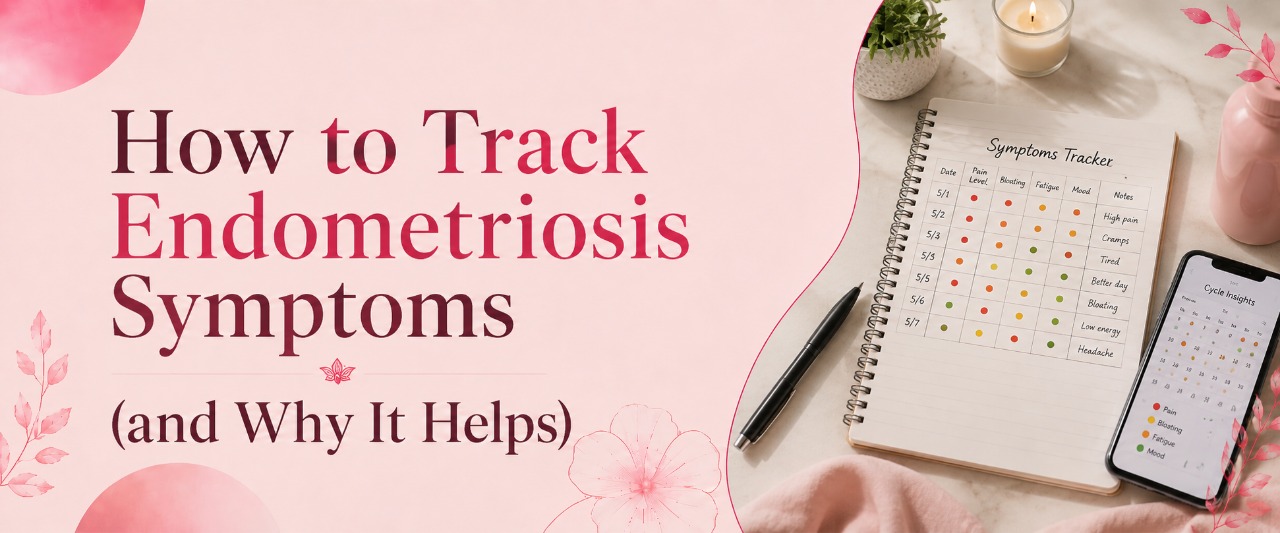
Keeping an endometriosis symptom tracker before your appointment can help identify recurring pain patterns, bleeding changes, digestive symptoms, and other concerns that may otherwise be difficult to remember during a consultation.
Why Is Symptom Tracking Important?
Many symptoms associated with endometriosis and PCOS fluctuate from week to week, making them difficult to describe accurately during a medical visit. Consistent tracking can reveal patterns that may not be obvious when relying on memory alone.
Symptom tracking can help you:
- Record pain intensity and location
- Monitor menstrual cycle changes
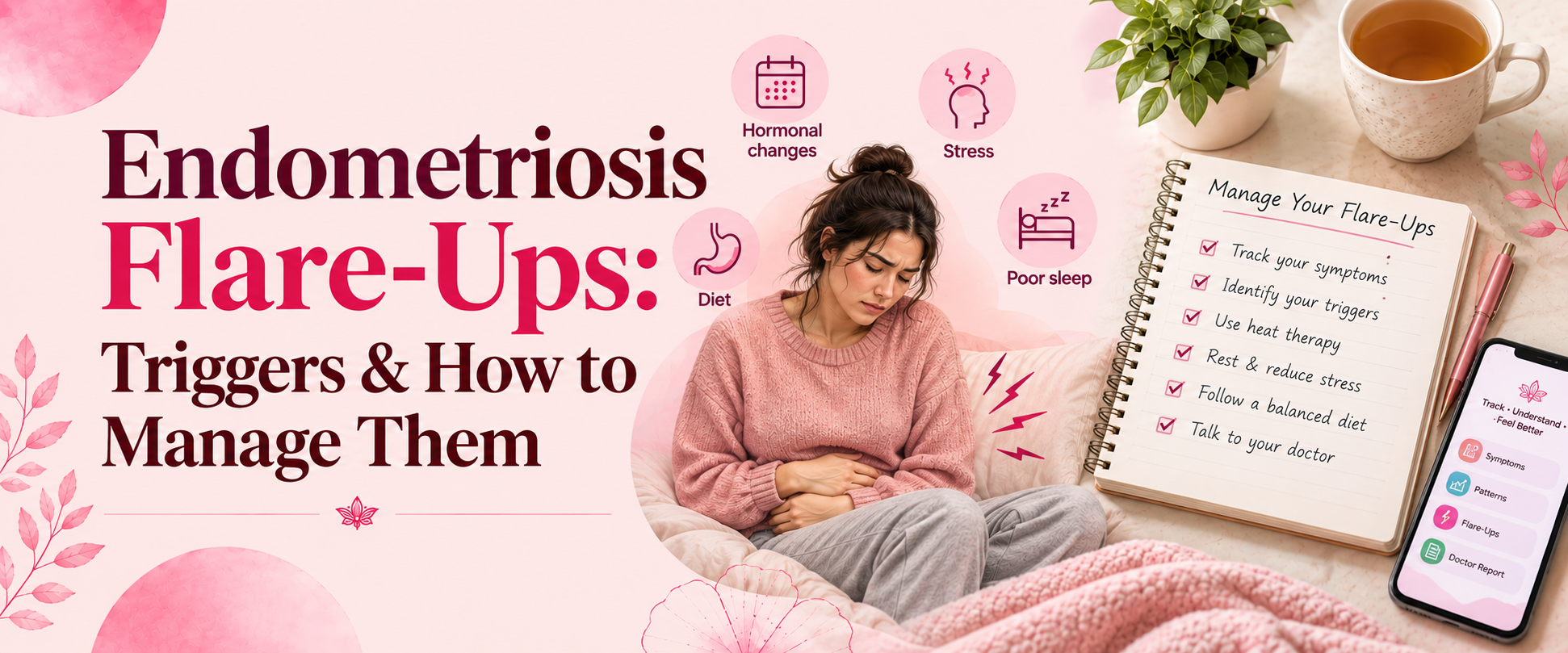
- Identify symptom triggers and recurring patterns
- Track fatigue, digestive symptoms, and daily functioning
- Create a clear timeline to discuss with your healthcare provider
If you’re new to symptom tracking, learning how it works can help you understand how organizing your health information over time may support more informed conversations with your care team. Remember that symptom tracking does not diagnose a condition, but it can provide valuable context during medical evaluations.
When Should You Talk to a Healthcare Provider?
Occasional menstrual discomfort is common, but persistent or worsening symptoms should not be ignored. Seeking medical advice early may help identify the cause of your symptoms and guide appropriate evaluation.
You should consider speaking with a healthcare provider if you experience:
- Severe pelvic pain that interferes with daily activities
- Very painful or consistently irregular periods
- Difficulty becoming pregnant
- Ongoing fatigue or symptoms that continue to worsen
- New or unexplained menstrual changes
- Pelvic pain, digestive concerns, or abnormal bleeding that repeatedly affect your quality of life
Preparing for your appointment with a detailed symptom history can make it easier to explain how your symptoms affect your daily life and what changes you’ve noticed over time.
Download MyEndo and Track What Matters Most Today
- 7-day free trial • Cancel anytime
Frequently Asked Questions
Yes, it is possible to have both endometriosis and PCOS, as they are separate conditions that can coexist in the same person.
Endometriosis is generally more associated with chronic pelvic pain, while PCOS is more commonly linked to hormonal and ovulation-related symptoms.
Healthcare providers diagnose these conditions using your medical history, symptoms, physical exams, imaging, and other appropriate diagnostic tests.
Yes, tracking symptoms over time can help identify patterns and provide valuable information to support conversations with your healthcare provider.
Conclusion
Understanding the differences between endometriosis and PCOS can help you recognize symptoms, seek timely medical evaluation, and make informed decisions about your reproductive health. Although these conditions share some similarities, they have distinct causes and diagnostic approaches. Consistently tracking your symptoms can provide valuable insights and support more productive discussions with your healthcare provider.
Take Control of Your Symptom Journey with MyEndo
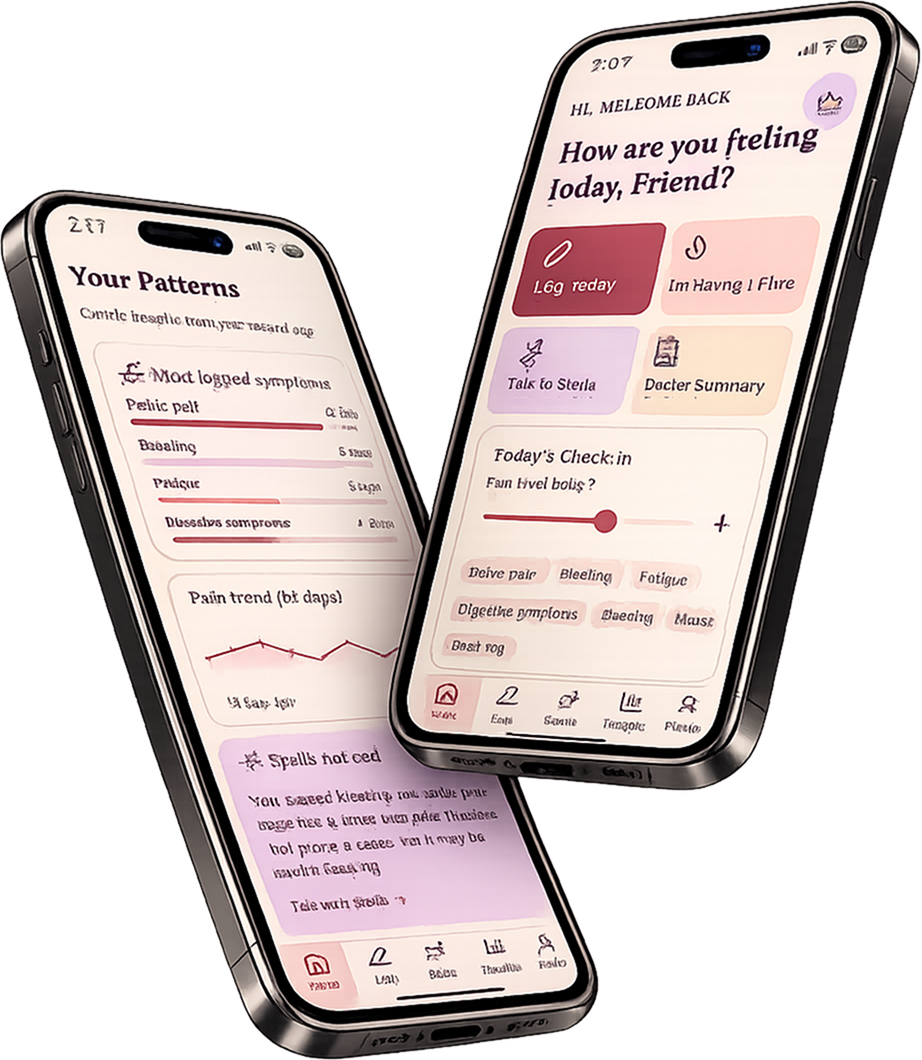
Living with unexplained pelvic pain or irregular menstrual cycles can feel overwhelming, but you don’t have to rely on memory alone. MyEndo helps you track symptoms, identify patterns, and organize your health information in one place, making it easier to prepare for appointments and have more informed conversations with your healthcare provider. Start tracking today to better understand your body and take a proactive step toward managing your reproductive health.