PCOS symptoms typically include irregular or missing periods, acne, excess hair growth, and weight changes, all driven by a hormone imbalance involving elevated androgens and insulin resistance. The tricky part is that PCOS rarely announces itself with one obvious sign. It shows up as a handful of “weird but unrelated” things that only make sense once you see them together.
Maybe your periods have always been unpredictable, and you just assumed that was your normal. Maybe you’ve spent years fighting acne that never responds to anything. On their own, these things get brushed off. Together, they tell a very different story.
Quick Takeaways
- PCOS symptoms cluster around irregular cycles, excess androgens, and insulin resistance, not just ovarian cysts.
- You don't need visible cysts on an ultrasound to have PCOS, which surprises a lot of people.
- Symptoms vary widely between individuals, which is part of why PCOS gets missed or misdiagnosed so often.
- Lifestyle changes help manage symptoms for many people, but they're not a cure, and results vary.
- Tracking your cycle and symptoms over time gives you and your doctor a much clearer diagnostic picture than a single appointment ever could.
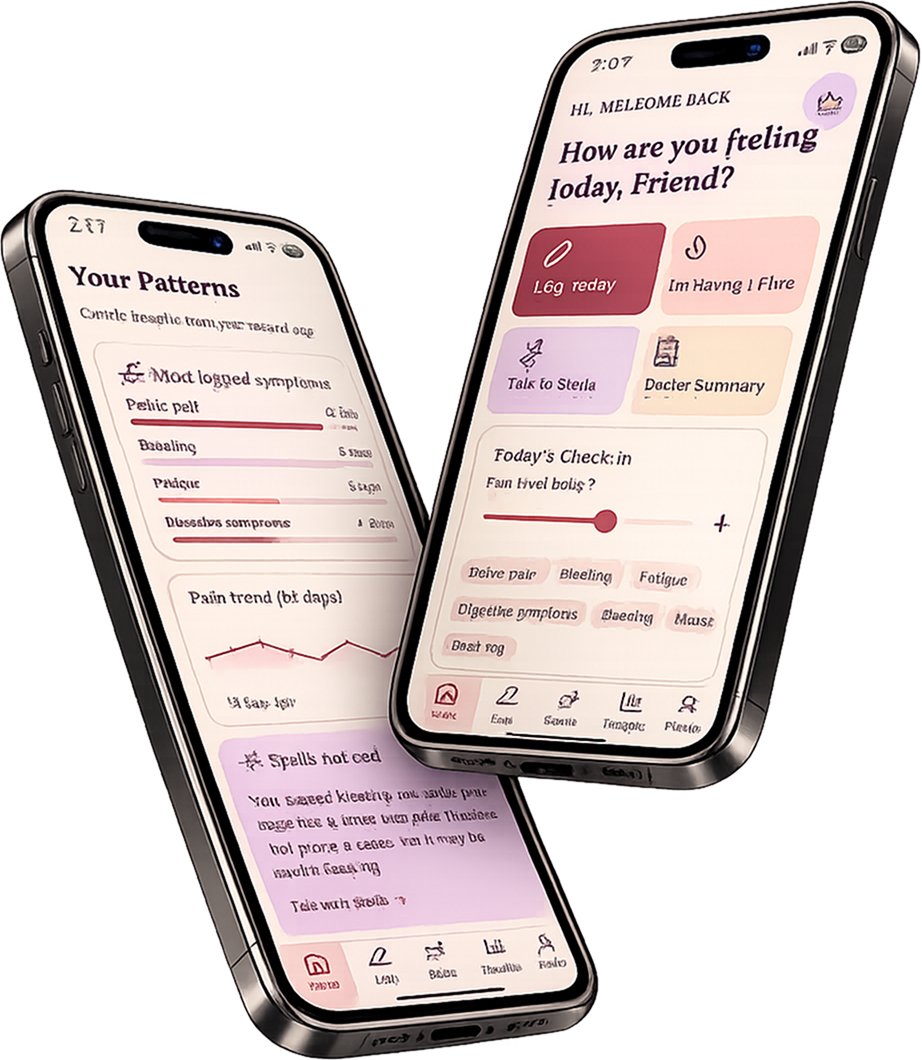
Before we break down the individual signs, it’s worth understanding what’s actually driving them, since most PCOS symptoms trace back to just two or three root causes. And if any of this is starting to sound familiar, logging what you notice as you read is a smart move; even a general endometriosis symptom tracker can help capture cycle irregularities, pelvic pain, and bloating that often overlap with PCOS. That matters more than you’d think, given how often the two conditions get confused.
Download MyEndo App & Start Tracking


- 7-day free trial • Cancel anytime
PCOS symptoms aren’t random. They fall into a few clear categories, each tied to a specific hormonal mechanism.
Cycle and Ovulation Changes
- Periods that come less than eight times a year, or not at all.
- Cycles that stretch beyond 35 days.
- Unpredictable timing that makes planning anything around your period nearly impossible.
- Difficulty conceiving, tied to irregular or absent ovulation.
This is usually the symptom that gets noticed first, if only because it’s the hardest to ignore. Missed periods have a way of forcing a conversation, even when everything else gets waved off.
Signs of Excess Androgens
- Acne that's persistent, often along the jawline and chin.
- Excess hair growth on the face, chest, or back (hirsutism).
- Thinning hair on the scalp, sometimes resembling male-pattern hair loss.
- Oily skin that doesn't respond to typical skincare routines.
Androgens are often called “male hormones,” though everyone has some level of them. In PCOS, the levels run higher than they should, and skin and hair are usually the first places that show up visibly.
Metabolic and Weight-Related Signs
- Weight gain, particularly around the midsection.
- Difficulty losing weight even with consistent diet and exercise changes.
- Sugar or carb cravings that feel hard to control.
- Skin tags or darkened patches of skin, especially around the neck or armpits.
That last one, darkened skin patches, is a lesser-known sign called acanthosis nigricans, and it’s specifically linked to insulin resistance. A lot of people have never heard of it, which means it often goes completely unrecognized as a PCOS clue.
Download MyEndo App & Start Tracking
- 7-day free trial • Cancel anytime
What's Actually Causing All of This
Here’s where it gets useful. PCOS isn’t one single malfunction. It’s a cluster of interconnected hormonal issues, and understanding the mechanism helps explain why the symptoms show up together instead of in isolation.
Insulin Resistance Sets Off a Chain Reaction
A large percentage of people with PCOS have some degree of insulin resistance, meaning their cells don’t respond to insulin as efficiently as they should. The body compensates by producing more insulin, and that excess insulin pushes the ovaries to produce more androgens. More androgens mean more acne, more hair growth, and further disruption to ovulation.
Androgen Excess Disrupts Normal Ovulation
When androgen levels run high, the ovaries struggle to release eggs on a regular schedule. Instead of maturing and releasing normally, follicles can stall partway through development. That’s where the “cysts” in PCOS come from; they’re actually a string of small, immature follicles, not true cysts in the traditional sense.
Genetics and Inflammation Play a Role Too
PCOS tends to run in families, which points to a genetic component that researchers are still working to fully map out. Low-grade chronic inflammation also appears to be part of the picture for many people, feeding into both the insulin resistance and the hormonal imbalance.
PCOS vs. Endometriosis: Why They Get Lumped Together
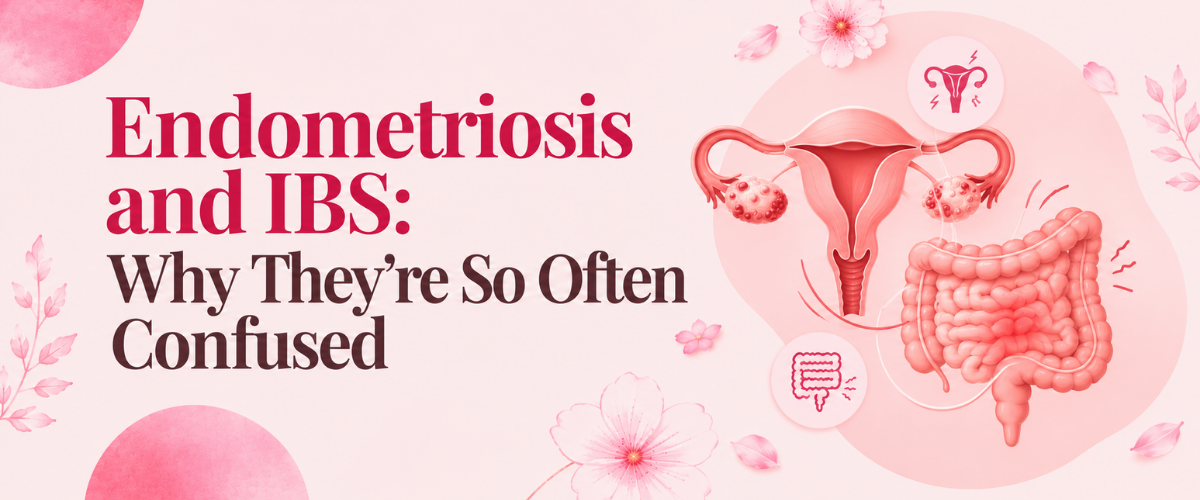
It’s worth pausing here, because these two conditions get confused constantly, and for understandable reasons. Both involve the reproductive system. Both can cause irregular cycles and fertility struggles. Both are frequently dismissed early on as “just how your body is.”
But the mechanisms are genuinely different. Where PCOS centers on hormone imbalance and disrupted ovulation, endometriosis involves tissue similar to the uterine lining growing outside the uterus, driving inflammation and often severe pain. Understanding endometriosis vs. PCOS matters because the treatment paths diverge significantly, even though the symptom lists can overlap on paper.
Some people, it’s worth noting, actually have both conditions at once, which makes accurate tracking even more valuable. Untangling which symptom belongs to which condition is nearly impossible from memory alone.
Download MyEndo App & Start Tracking
- 7-day free trial • Cancel anytime
If you’ve been told to simply lose weight and your PCOS will resolve, you’re not alone, and you’re also not getting the full picture. Weight loss can improve insulin sensitivity and ease some symptoms for many people, but PCOS isn’t caused by weight, and plenty of people at a healthy weight have it too.
The more useful framing is this: managing insulin resistance, however that’s approached, tends to help the broader hormonal picture. That might involve nutrition changes, movement, medication like metformin, or a combination, depending on what your doctor recommends for your specific case.
What to Actually Do If You Recognize These Symptoms
Seeing yourself in a symptom list is one thing. Knowing what to do next is another. Here’s a practical starting point.
- Start using a PCOS symptom tracker to note your cycle length and timing, even roughly, so you have real data instead of a vague impression.
- Track skin and hair changes, since these symptoms tend to be gradual and easy to normalize until you look back and see the shift.
- Log pelvic pain separately from period pain, since a genuinely painful period can point toward endometriosis, PCOS, or both, and the distinction matters for diagnosis.
- Write down family history, particularly whether close relatives have PCOS, irregular cycles, or type 2 diabetes.
- Prepare specific questions for your doctor, rather than a general "something feels off," since specifics move appointments forward faster.
Getting a Real Diagnosis
PCOS is typically diagnosed using the Rotterdam criteria, which requires meeting at least two of three signs: irregular ovulation, clinical or blood-test evidence of excess androgens, and polycystic-appearing ovaries on ultrasound. Notice that ultrasound findings are only one piece of three. You don’t need visible cysts to be diagnosed.
Getting there usually involves blood work to check hormone levels, a pelvic ultrasound, and a detailed conversation about your cycle history. That conversation goes a lot smoother when you’re not trying to recall six months of irregular periods from memory on the spot.
This is really how it works when tracking becomes part of your prep; consistent logging turns scattered memories into an organized timeline your doctor can review in seconds, which matters just as much for a PCOS workup as it does for endometriosis.
Living With PCOS Day to Day
A diagnosis, or even just recognizing the pattern, isn’t the end of the road. PCOS is a long-term condition to manage, not a problem with a single fix. Symptoms can shift over time, respond differently to treatments, and change again after events like pregnancy or menopause.
That’s exactly why ongoing tracking matters beyond just the diagnostic phase. Watching how your symptoms respond to changes in diet, medication, or stress gives you real feedback instead of guesswork, and it keeps your doctor genuinely informed as your treatment evolves rather than starting from scratch at every visit.
Frequently Asked Questions
No, while weight gain is a common symptom, PCOS also affects people at a healthy weight, and it isn’t caused by weight itself.
Yes, the two conditions can coexist, which is part of why careful symptom tracking is so useful for telling them apart.
No, PCOS is a chronic hormonal condition that typically requires ongoing management rather than resolving by itself.
Conclusion
PCOS symptoms rarely show up as one dramatic sign. They build quietly, over months or years, until enough pieces line up to finally make sense together. Recognizing that pattern early and tracking it consistently is what turns a vague sense that something’s off into a real conversation with real answers.
Ready to Start Making Sense of Your Symptoms?
You don’t need to have it all figured out before you start tracking. Download MyEndo, log your cycle, pain, and endometriosis symptoms in under 60 seconds a day, and start building the pattern that gets you real answers, free for 30 days, with no credit card required.