You’ve spent months, or even years, trying to make sense of pain that doesn’t seem to have an explanation. Now you’ve been told that laparoscopic surgery may be an option, and suddenly you have a whole new set of questions: Will it hurt? What happens during the procedure? How long will recovery take?
If you’re preparing for endometriosis surgery, understanding what happens before, during, and after laparoscopy can make the process feel less uncertain. This guide explains the different surgical approaches, recovery, risks, fertility considerations, and how to prepare for a more productive conversation with your doctor.
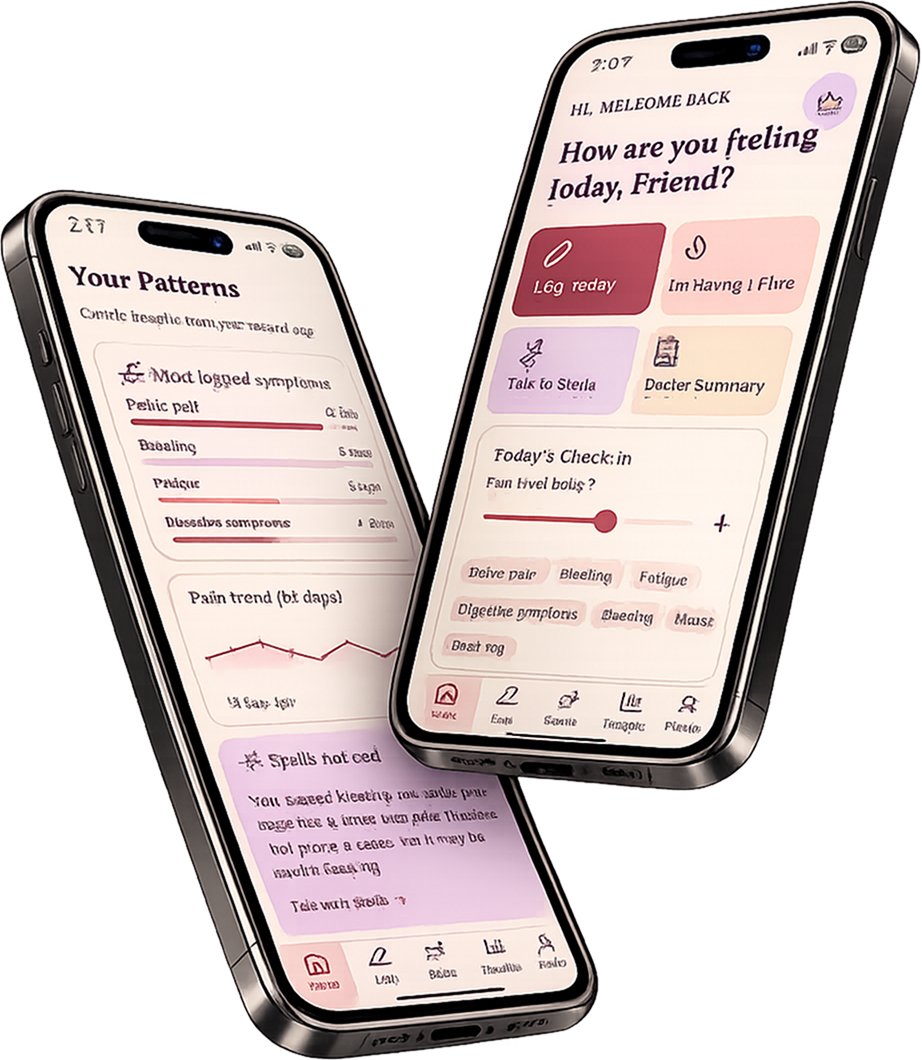
Endometriosis surgery is one treatment option for managing endometriosis-related pain and disease. Laparoscopy is a minimally invasive surgical approach that allows a surgeon to examine the pelvis and, when appropriate, treat endometriosis during the procedure. Whether surgery is right for you depends on your symptoms, disease location and extent, previous treatments, fertility goals, and personal preferences. Let’s take a look at what to expect from endometriosis surgery, what MyEndo is, and how it works.
What Is Endometriosis Surgery and Laparoscopy?
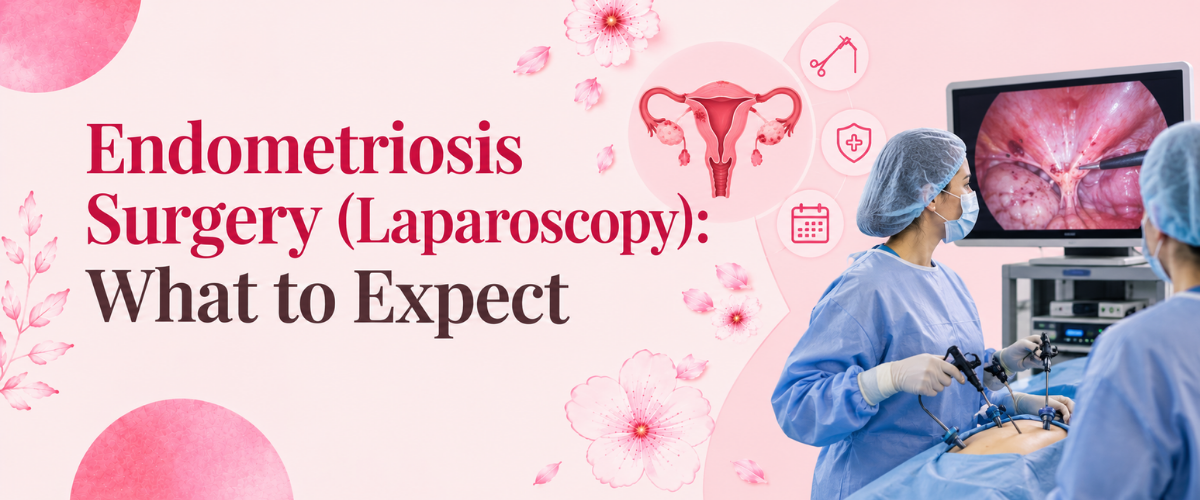
Endometriosis surgery is used to treat endometriosis lesions and, depending on the situation, endometriomas, adhesions, or deeper disease. Laparoscopy is the most common minimally invasive approach. It uses a small camera inserted through a small abdominal incision, with additional instruments placed through other small incisions when treatment is needed.
Surgery isn’t automatically necessary for everyone with endometriosis. Current guidelines emphasize shared decision-making based on symptoms, treatment goals, preferences, potential benefits and risks, and other individual factors.
If you’re still trying to understand your symptoms or diagnosis, how endometriosis is diagnosed can help you understand what evaluation may involve.
Download the MyEndo App Before Your Surgery


- 7-day free trial • Cancel anytime
A decision about surgery is personal.
Two people can have endometriosis and receive different treatment recommendations.
Your doctor may consider:
- How severe or persistent your pain is.
- Whether medication has helped.
- Where the disease is located.
- Whether you have an endometrioma or deep endometriosis.
- Whether you've had previous surgery.
- Whether you're trying to become pregnant.
- Your ovarian reserve and other fertility factors.
- Your own preferences and treatment goals.
Understanding endometriosis stages can provide useful context, but stage alone does not determine whether someone needs surgery.
When Is Endometriosis Surgery Recommended?
No, not everyone with endometriosis needs surgery. Surgery may be discussed when pain remains difficult to manage, when endometriosis causes complications, or when surgery may offer a reasonable treatment option for a person’s individual circumstances.
Surgery may also be considered for some people with endometriomas, deep endometriosis, or endometriosis-associated infertility.
For deep endometriosis, ESHRE recommends referral to a center with appropriate expertise because disease may involve structures such as the bowel, bladder, or urinary tract.
Download MyEndo App & Start Tracking
- 7-day free trial • Cancel anytime
What can influence the decision?
| Factor | Why it matters |
|---|---|
| Pain | Persistent or severe symptoms may influence the treatment discussion. |
| Disease location | Disease affecting different organs may require different surgical planning. |
| Endometrioma | Ovarian surgery requires consideration of ovarian tissue and reserve. |
| Previous treatment | Your response to medication and other treatments matters. |
| Fertility goals | The risks and potential benefits can look different if you're trying to conceive. |
| Previous surgery | Repeat procedures may require additional consideration. |
| Personal preference | Surgery should be part of a shared decision with your healthcare provider. |
Need a clearer record of your symptoms?
Before making a treatment decision, it can help to have more than a vague memory of “I’ve been hurting a lot lately.”
MyEndo lets you track pain, symptoms, flares, and cycle-related patterns so you have a structured record to discuss with your healthcare provider.
Laparoscopic surgery is generally performed under general anesthesia, so you’ll be asleep during the procedure. Your surgeon makes a small incision, often near the belly button, and inserts a laparoscope to view the abdomen and pelvis. Additional small incisions may be used for surgical instruments.
Before surgery
Your healthcare team will give you specific instructions about:
- When to stop eating and drinking.
- Which medications you should take or stop.
- When to arrive at the surgical facility.
- Arranging transportation home.
- What to expect during recovery.
This is also the time to discuss your symptoms, previous treatments, fertility plans, and the surgical approach being considered.
During surgery
The surgeon uses the laparoscope to examine the pelvis and identify areas of concern. If treatment is planned, surgical instruments can be used through the additional incisions to remove or treat endometriosis tissue.
The exact procedure depends on what your surgeon finds and what was planned beforehand.
Download MyEndo App & Start Tracking
- 7-day free trial • Cancel anytime
Excision vs. Ablation for Endometriosis: What's the Difference?
You may hear excision and ablation when discussing endometriosis surgery.
Excision involves surgically removing endometriosis tissue.
Ablation uses energy to destroy the surface of a lesion rather than removing it in the same way as excision.
One approach shouldn’t automatically be labeled “best” for every patient. ESHRE says clinicians may consider excision instead of ablation for reducing endometriosis-associated pain, but this is a weak recommendation because the available evidence does not support a universal answer for every situation.
What about endometriomas?
For ovarian endometriomas, surgical decisions require particular care because treatment can affect ovarian tissue. ESHRE recommends minimizing ovarian damage when surgery is performed for an endometrioma.
What about deep endometriosis?
Deep endometriosis can involve structures such as the bowel, bladder, ureters, or other pelvic tissues. Because surgery can be more complex, specialist expertise and careful discussion of potential risks and benefits are especially important.
How Long Does Endometriosis Surgery Take?
There isn’t one standard length of time for endometriosis surgery.
The procedure can take longer when disease is extensive or affects areas that require more complex surgical treatment. Your surgeon can give you a more useful estimate after reviewing your symptoms, imaging when appropriate, and planned procedure.
The length of the operation and the length of your recovery are also not the same thing. A laparoscopic procedure may be completed in a relatively short period while still requiring weeks of recovery if extensive disease was treated.
What Is Endometriosis Surgery Recovery Like?
Recovery after endometriosis surgery depends heavily on what was done during the procedure. Someone who has a straightforward laparoscopic procedure may recover differently from someone who has extensive or deep endometriosis treated.
After laparoscopic surgery, you may feel tired and sore for several days. Many people go home the same day, although more complex procedures may require a longer hospital stay.
Some people return to normal routines in around two weeks, while recovery from more extensive disease can take six weeks or longer. Your surgeon’s instructions should take priority over any general timeline you read online.
What can you experience during recovery?
Depending on the procedure, you may experience:
- Abdominal discomfort
- Fatigue
- Temporary bloating
- Shoulder discomfort related to the gas used during laparoscopy
- Changes in bowel or bladder function
- Incision soreness
Your recovery may not look exactly like someone else’s. That’s why documenting how you’re actually feeling can be useful.
When should you call your doctor?
Contact your healthcare provider if you develop symptoms such as fever, worsening pain, heavy bleeding, increasing redness or swelling around an incision, pus from an incision, or difficulty emptying your bladder.
Track your recovery instead of relying on memory.
Recovery can blur together, especially when you’re tired and uncomfortable.
Using MyEndo to track recovery can give you a dated record of symptoms and changes that you can refer to during follow-up appointments.
What Are the Risks of Endometriosis Surgery?
Like any surgery, endometriosis surgery has potential risks.
These can include:
- Infection
- Bleeding
- Injury to nearby organs
- Blood vessel injury
- Complications involving the bowel or bladder
The risks depend on the type and extent of surgery. Deep endometriosis surgery can require more complex procedures, which is why ESHRE recommends discussing the potential risks, benefits, and long-term effects with your surgical team.
Your surgeon can explain which risks are most relevant to your specific procedure.
Can Endometriosis Surgery Improve Fertility?
Endometriosis surgery may improve the chance of natural pregnancy for some people, but surgery is not automatically the right fertility treatment for everyone.
ESHRE recommends that decisions about surgery for endometriosis-associated infertility consider factors including age, personal preferences, previous surgery, other infertility factors, ovarian reserve, pain symptoms, and the Endometriosis Fertility Index.
For ovarian endometriomas, surgery requires particular consideration because operating on the ovary can cause ovarian damage. That makes fertility planning an important part of the conversation before surgery.
If you’re trying to conceive, understanding endometriosis and fertility can help you prepare for that discussion with your healthcare provider.
Does everyone need surgery before IVF?
No. ESHRE does not recommend routine surgery for an ovarian endometrioma before assisted reproductive treatment solely to improve live birth rates. The decision should be individualized, particularly because surgery can affect ovarian reserve.
Can Endometriosis Come Back After Surgery?
Yes, symptoms can return after endometriosis surgery. Surgery can provide significant pain relief for many people, but it does not guarantee that symptoms will never return.
It’s also important to distinguish recurrence from persistent or returning pain.
Pain after surgery does not automatically tell you what is causing it. Your healthcare provider may need to consider your symptoms, surgical findings, treatment history, and other possible causes.
Because recurrence estimates vary between studies and depend on factors such as follow-up time, disease severity, and how recurrence is defined, avoid relying on a single percentage presented as a universal rate.
What If Surgery Doesn't Find Endometriosis?
Imagine preparing for surgery expecting an explanation, only to wake up and hear that the surgeon didn’t find what they expected.
You may still have pain. You may still have questions. And you may wonder what happens next.
A surgical finding, or lack of one, doesn’t make your symptoms less real.
If symptoms continue, your healthcare provider can determine whether additional evaluation is appropriate and whether another condition could be contributing to your symptoms.
What Should You Ask Your Endometriosis Surgeon?
You don’t have to remember every question in the exam room. Save this list before your appointment.
About the surgery
- What type of surgery are you recommending, and why?
- Are you recommending excision, ablation, or another approach?
- Where do you suspect my endometriosis is located?
- What happens if you find more extensive disease?
About fertility
- Could this surgery affect my ovarian reserve?
- Could it affect my fertility?
- Should I discuss fertility preservation before surgery?
- How do my fertility goals affect the recommendation?
About recovery
- How long might my recovery take?
- When can I return to work?
- When can I exercise?
- Which symptoms should prompt me to call?
About long-term care
- What happens after surgery?
- Could I need additional treatment?
- What should I do if my pain continues?
Frequently Asked Questions
No. Surgery is one treatment option. The decision depends on symptoms, disease characteristics, previous treatments, fertility goals, preferences, and the potential benefits and risks.
Laparoscopy is a common minimally invasive approach, but the best surgical plan depends on the individual’s disease and circumstances. Deep or complex disease may require specialized surgical expertise.
Recovery varies by procedure. Some people return to normal routines in around two weeks, while more extensive surgery can take six weeks or longer. Follow your surgeon’s specific instructions.
You’ll be under anesthesia during the operation, but soreness, fatigue, and other temporary symptoms can occur afterward. Your healthcare team will provide instructions for managing postoperative discomfort.
Conclusion
Endometriosis surgery can feel like a huge unknown when you’re already dealing with pain, uncertainty, or years of trying to get answers.
The good news is that you don’t have to walk into the conversation completely unprepared.
Understand why surgery is being considered. Ask which approach your surgeon recommends and why. Discuss recovery, risks, fertility, and what happens if symptoms continue.
Most importantly, bring your own symptom history into the conversation.
Go Into Your Next Appointment With a Clearer Picture
You shouldn’t have to reconstruct months of pain, flares, and cycle changes from memory.
MyEndo helps you track symptoms and organize that information into a structured Doctor Summary Report you can bring to your healthcare provider.